


From Magical Beings to Anarchy: The Fascinating History of the Freetown Christiania
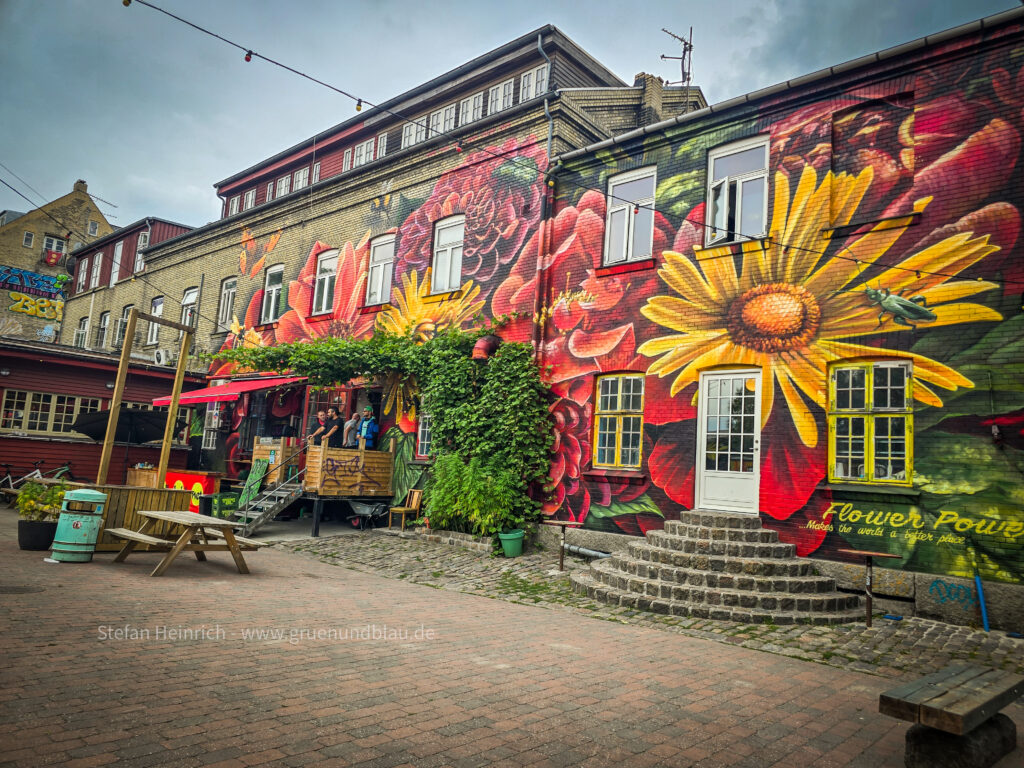
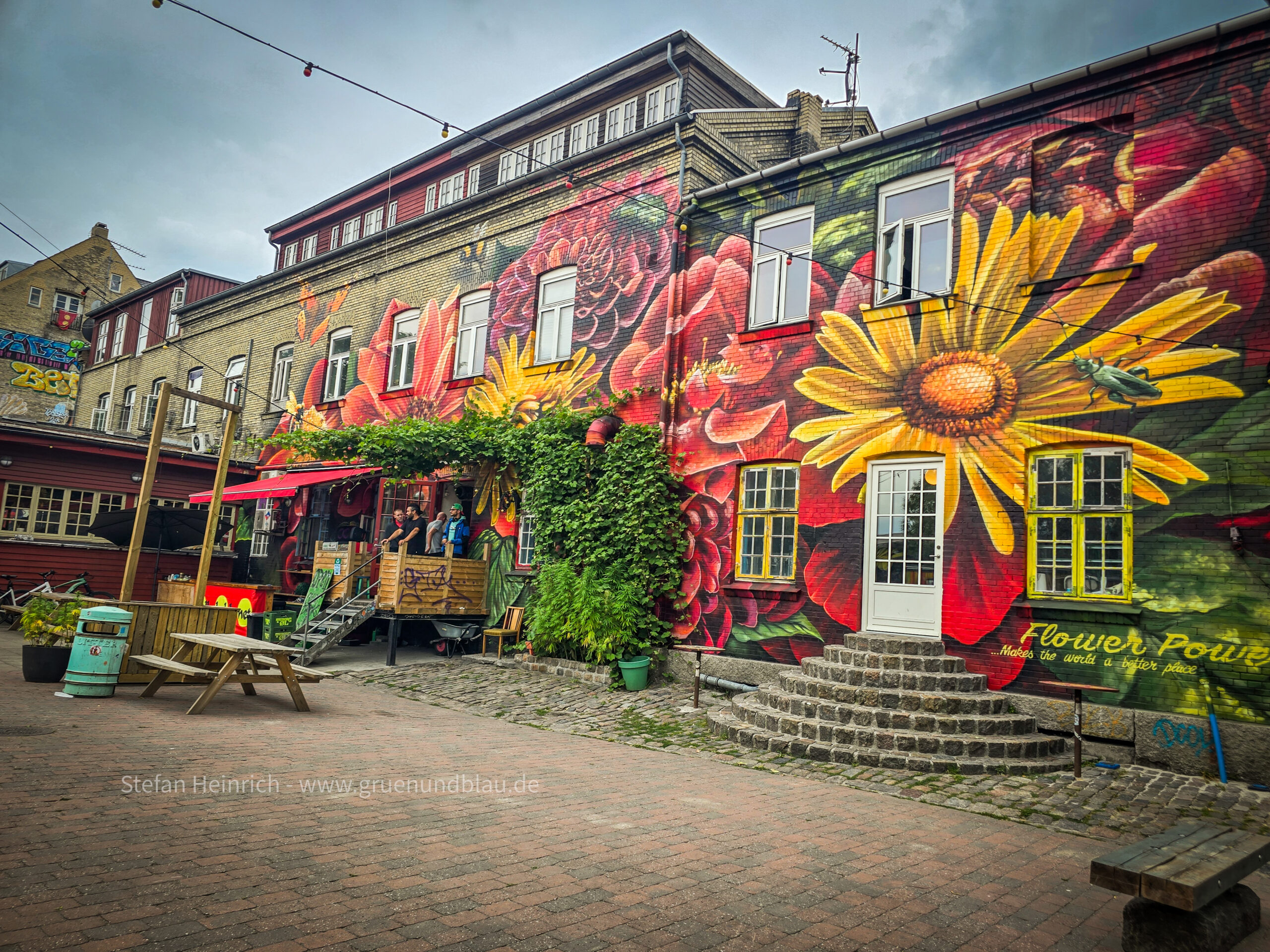
From Magical Beings to Anarchy: The Fascinating History of the Freetown Christiania Anyone traveling through Denmark as a backpacker or with a campervan is usually looking for two things in Copenhagen: impressive history and unique adventures. Scarcely any place on earth combines both as spectacularly as the world-famous Freetown Christiania. Today, the area is a massive tourist magnet full of colorful graffiti, cozy pubs, art galleries, and alternative stalls. But the roots of this autonomous neighborhood reach deep into the past – from ancient Viking legends and dark fortress ramparts to one of the boldest squatter movements in modern European history. The Magic of the Old Ramparts: The Legend of the Elverfolk Long before the first hippies raised their colorful flags, the site of Christiania was a heavily fortified military rampart in the 17th century. King Christian IV had the star-shaped moats and ramparts (voldene) built to protect Copenhagen from hostile fleets. However, ancient Scandinavian folklore tells of entirely different inhabitants residing on these green earthworks. According to legend, the marshy ground had been home since time immemorial to the Elverfolk – a mysterious people of elves, nature spirits, and trolls. In the evenings, Copenhageners whispered eerie tales to one another in the taverns: Anyone staggering drunk or careless across the dark ramparts of Christianshavn at night during a full moon risked being enchanted by the beautiful elf maidens. With ethereal music and mystical dances, these creatures lured lost souls deep beneath the roots of the ancient willow trees, where they remained trapped forever in an underworld. When the Danish military built barracks and armories on the ramparts in the 19th and 20th centuries, the elves withdrew deep into hiding. They waited patiently until the soldiers vacated the area. 1971: The Uprising of the Dreamers and the Birth of the Freetown In the mid-20th century, the military site lost its strategic importance. The barracks fell into disrepair, fences rusted away, and the vast area lay dormant in the middle of the capital. Finally, in September 1971, the unthinkable happened. Driven by a housing shortage, rebellion against the establishment, and a desire for a more peaceful society, local residents and young people cut through the wire fences. They occupied the abandoned military grounds. In an alternative newspaper, journalist Jacob Ludvigsen officially proclaimed the Freetown Christiania. His vision was bold: to build a self-governing society where every individual could develop freely, untouched by tax pressures, state power, and the constraints of modern consumer culture. The old barracks were converted into residences, and bakeries, building cooperatives, and their own schools were established. Within just a few years, a thriving, green oasis emerged right in the heart of Copenhagen from the cold military site. The ancient elves – so the story was told with a smile – returned from their underground burrows and henceforth danced peacefully around the campfires with the hippies. Decades of Struggle and the Infamous Pusher Street Understandably, the Danish government was less than thrilled by the experiment. For decades, the history of Christiania was shaped by political debates, police raids, and threats of eviction. But the Christianites stood firm, organized themselves in community meetings, and repeatedly managed to negotiate agreements with the state. Pusher Street became world-famous – and at the same time highly controversial. Here, cannabis was traded openly for decades. However, what originally began as part of a drug-tolerant culture led over the years to conflicts with organized crime, which is why in 2024 the residents finally decided themselves to tear down the street’s infamous wooden stalls for good to protect the original, peaceful spirit of the community. Christiania Today: A Colorful Paradise for Vanlife and Backpackers Anyone visiting Christiania today on a trip through Denmark enters a completely different world. Above the entrance gate, the famous sign still greets visitors: “You are now leaving the EU.” Today, Christiania has evolved into a vibrant, colorful cultural center and ranks among the absolute highlights of any vanlife or backpacker trip to Copenhagen: Creative Architecture: Stroll along the banks of the old fortress moats and admire the fantastic, self-built wooden houses that perch like fairytale huts among the trees. Colorful Shops and Art: Everywhere you’ll find small ateliers, art galleries, handicrafts, and the famous Christiania bikes (the three-wheeled cargo bikes that were invented right here!). Culinary Delights and Pubs: Enjoy vegan street food, drink a locally brewed beer in iconic pubs like Nemoland, or listen to open-air live music. Christiania is a fascinating monument to modern contemporary history. A place where the myths of ancient elves meet the dream of freedom – and one you definitely shouldn’t miss on your next stop in Copenhagen!
From Spittoon to Landmark: The Wild Drama Surrounding Copenhagen’s Dragon Fountain
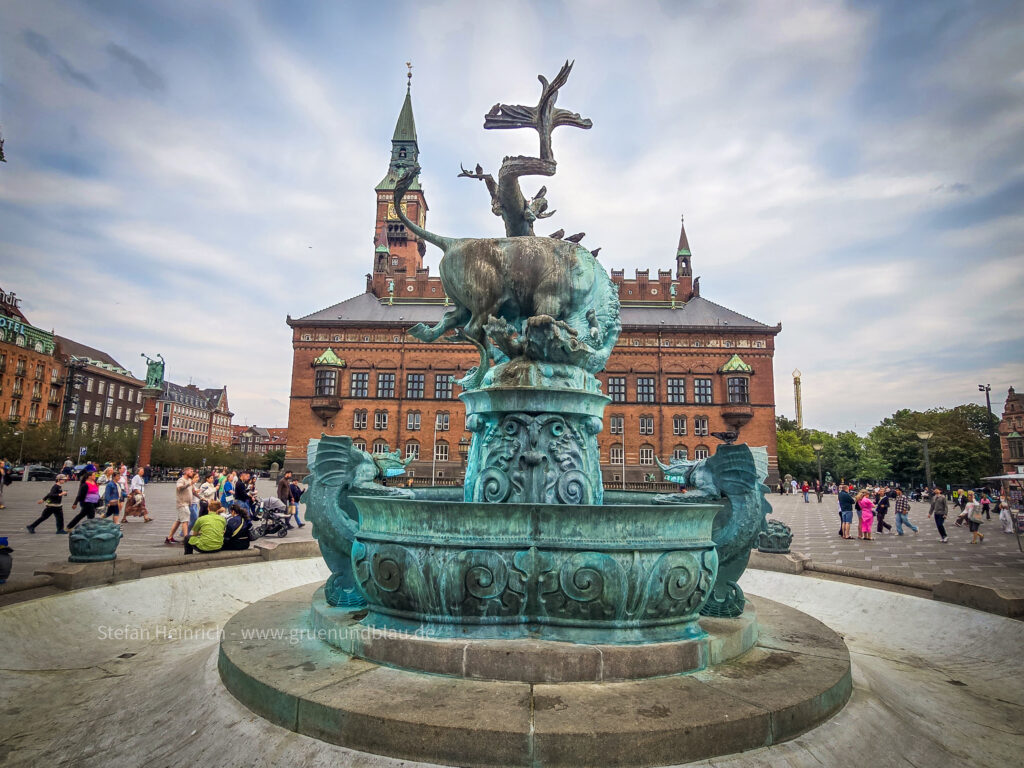
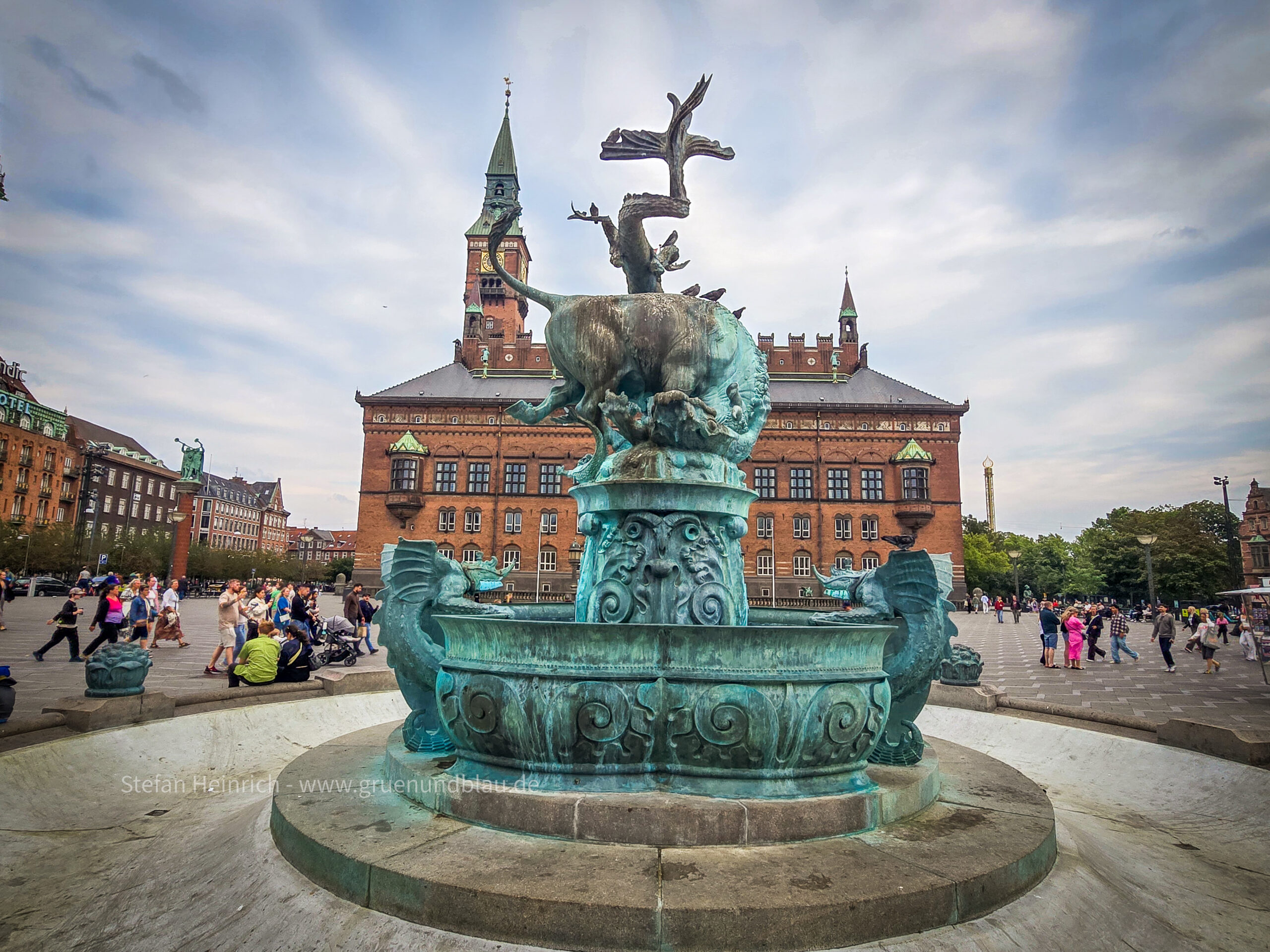
From Spittoon to Landmark: The Wild Drama Surrounding Copenhagen’s Dragon Fountain Anyone standing on Copenhagen’s City Hall Square (Rådhuspladsen) on their journey through Denmark as a backpacker or campervan traveler simply can’t miss it: the Dragon Fountain (Dragespringvandet). Today, passersby marvel at the massive bronze ensemble in the center, where a muscular bull and a furious dragon fight an epic battle of life and death. But the actual legend of this fountain isn’t just about mythical beasts—it’s about one of the most amusing construction mishaps in Danish history: an odyssey of financial trouble, mocking citizens, and a fountain that refused to spout water for decades! The Star Architects’ Gigantic Plan The time is the late 19th century. Copenhagen was building a grand new City Hall, and as befitted a proper ceremonial square, a monumental fountain was required. In 1889, star artists Joakim Skovgaard and Thorvald Bindesbøll submitted a design meant to outshine everything that came before it: a huge bronze sculpture featuring a powerful Norse bull wrestling down a fiery dragon monster, surrounded by smaller dragons spouting water from their jaws. Pure symbolism! Order versus chaos! Natural force versus demons! The city council was thrilled, the contracts were signed, and the people of Copenhagen rubbed their hands in anticipation. What could possibly go wrong? Gaffe Alert: pretty much everything! The Birth of the “Spittoon of Copenhagen” When the fountain was officially inaugurated in 1904, the citizens couldn’t believe their eyes. Where was the promised bull? Where was the gigantic dragon? Nowhere! The city fathers had simply run out of money. Because the bronze figures were astronomically expensive, they merely placed the bare stone fountain basin on the square. In the middle gaped a yawning hole, out of which a pitiful trickle of water chugged every now and then. The people of Copenhagen—famous for their razor-sharp, bone-dry humor—didn’t hesitate. Instead of admiring the half-finished artwork, they immediately gave the structure a new, unforgiving nickname: “The Spittoon” (Spytbakken). For twenty whole years, the City Hall fountain was the laughingstock of the capital. Local newspapers printed caricatures, and anyone misbehaving in the Old Town pubs was told, “Why don’t you go to City Hall Square and spit into the spittoon!” The Dragon Forced to Move As if the mocking drama wasn’t embarrassing enough, in 1908 the city suddenly decided that the half-finished fountain was in the way. It was obstructing traffic! So the multi-ton “Spittoon” was promptly dismantled and rebuilt a few meters away. The fountain was no longer just incomplete and ridiculed—it was now wandering across the square like a disoriented migratory bird. The poor dragon on the design blueprints seemed cursed. Citizens could only shake their heads, wondering if the bull would ever make it out of the foundry. 1923: The Big Happy Ending (with a Slight Muscle Ache) Not until 1923—a whopping 34 years after the initial designs!—had the city of Copenhagen finally scraped together enough kroner. The gigantic bronze ensemble was cast, hauled to City Hall Square on trucks, and ceremoniously hoisted into the center of the basin. Suddenly, the laughter fell silent. The bull snorted bronze steam, the dragon clawed into the stone, and the little dragons around the rim finally spouted proper fountains of water! The people of Copenhagen grudgingly admitted: “Alright, it actually looks pretty decent.” “The Spittoon” became history overnight, and the Dragon Fountain rose to become a proud landmark. Your Takeaway for Your Copenhagen Trip When you pass by Copenhagen’s City Hall Square as a backpacker or with your campervan on your next trip through Denmark, pause for a moment at the Dragon Fountain. Take a look at the bull’s massive muscles, admire the dragon’s teeth, and remember: good things sometimes take 34 years, a couple of relocations, and a lot of mockery to become a true masterpiece!