


The Dance with the Giants: The Legend of San Fermín and the Origin of the Running of the Bulls
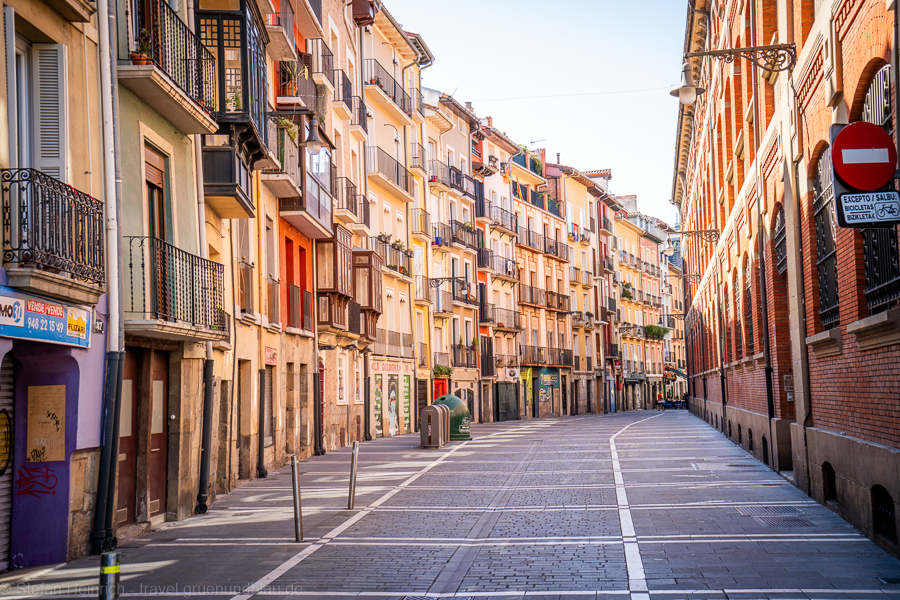
The sun burned mercilessly down on the ochre-colored roofs of Pamplona as dust on the market square was kicked up by hundreds of excited footsteps. Anyone looking through the narrow, shaded alleyways of the old town today will see souvenir shops, bustling tapas bars, and white facades adorned with red balconies. Yet the foundation of this city rests upon the deep, faded tracks of legends that are centuries old. And none of these stories is more tightly interwoven with the city’s soul than that of San Fermín and the origin of the world-famous running of the bulls.
The year is the 3rd century AD. Pamplona, known back then by its Latin name Pompelo, was a proud Roman outpost at the foot of the Pyrenees. Fermín was born into this bustling world shaped by pagan rites. As the son of a high-ranking Roman official, he enjoyed an impeccable education and, to this day, holds a reputation as a man of extraordinary intellect and deep compassion.
It was an encounter with a wandering preacher named Honestus that changed young Fermín’s life forever. Fascinated by the message of charity and peaceful coexistence, Fermín renounced the privileges of his noble birth. He was baptized and dedicated his entire life to bringing hope to the people and building bridges between the hostile cultures of that era.
Fermín’s reputation as an eloquent, fearless defender of the weak preceded him. He traveled far beyond the Pyrenees into what is present-day France. Wherever he went, he managed to unite people through sheer power of persuasion and charisma. But power and influence breed envy. The rulers of that time viewed his ever-growing esteem as a threat to their own authority.
According to ancient lore, it was this conflict with the ruling class that ultimately led to his dramatic end. Fermín was arrested and thrown into a dungeon. Legend has it that they attempted to break his indomitable spirit by tying him to the chariot of enraged, untamed bulls and dragging him through the streets.
Yet the legend took an unexpected turn: the mighty animals, originally intended as instruments of terror, sensed the man’s profound inner peace. Instead of crushing him, they trotted majestically by his side through the city gates, as if aware of the dignity of the moment. Fermín eventually passed away in the solitude of his cell, but from that day on, his myth was immortal. He was declared the patron saint of Pamplona—a symbol of resilience, courage, and the ability to appease even the wilder forces of nature.
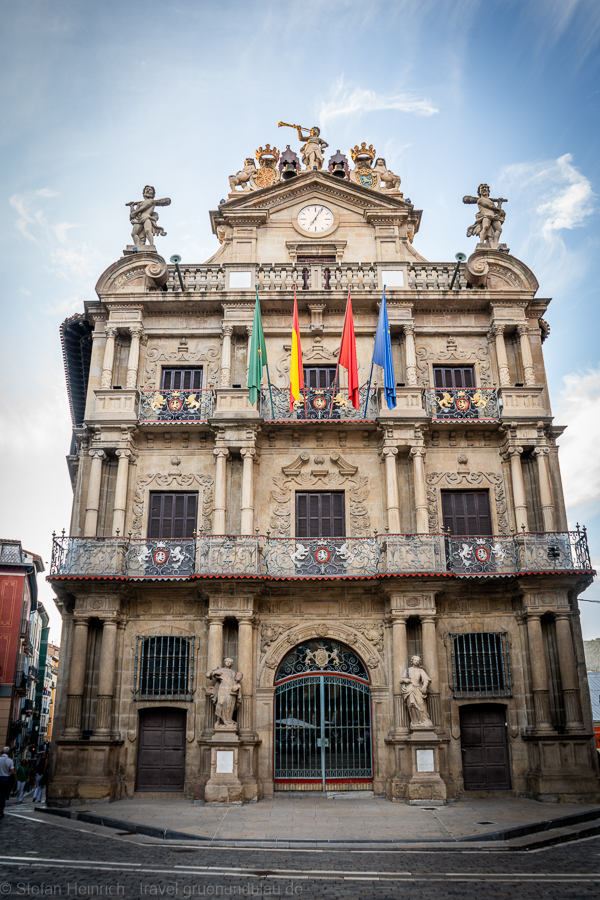
So how did the commemoration of a peaceful patron saint evolve into the world-famous spectacle of the encierros we know today? The answer lies not in ancient manuscripts, but in the pure pragmatism of medieval daily life.
Centuries after Fermín’s death, Pamplona had developed into a major trading hub. Once a year, cattle farmers from the surrounding villages and the slopes of the Pyrenees traveled to the city to sell their most powerful bulls at the central market. The challenge was deceptively simple, yet dangerous: how do you safely transport a dozen multi-ton, unpredictable animals from the pastures outside the city gates through the narrow, winding residential streets to the arena in the main square?
The herders’ solution was as bold as it was effective. Early in the morning, while the streets were still quiet, they drove the animals through the alleys at a gallop using loud shouts, cracking whips, and the help of lead steers.
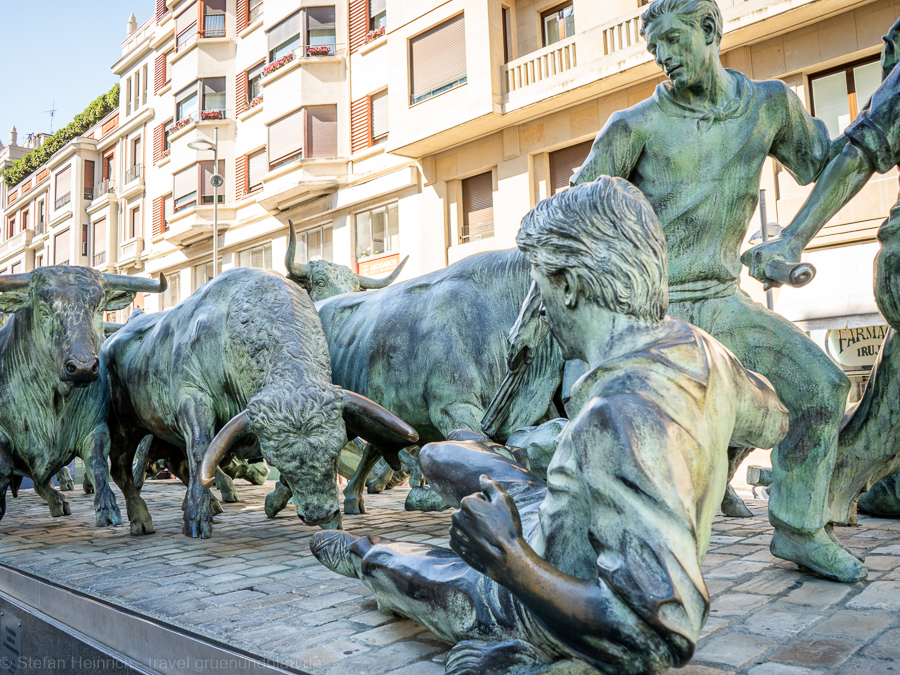
This is where the spirited temperament of Pamplona’s citizens came into play. The young men of the city didn’t want to just stand by and watch the butchers and herders. Fueled by respect for the imposing beasts and driven by a desire to prove their bravery, they began running ahead of the charging bulls. It was no act of aggression, but a razor’s-edge dance: who could manage to stay just inches ahead of the giants’ horns without losing their footing on the slippery cobblestones?
Very quickly, this daily spectacle of driving cattle merged with the summer festival held in honor of Saint Fermín. The townspeople viewed the daring run ahead of the bulls as a symbolic act: just as Fermín had once fearlessly faced the forces of nature and the perils of his time, the runners now confronted the unpredictability of the animals.
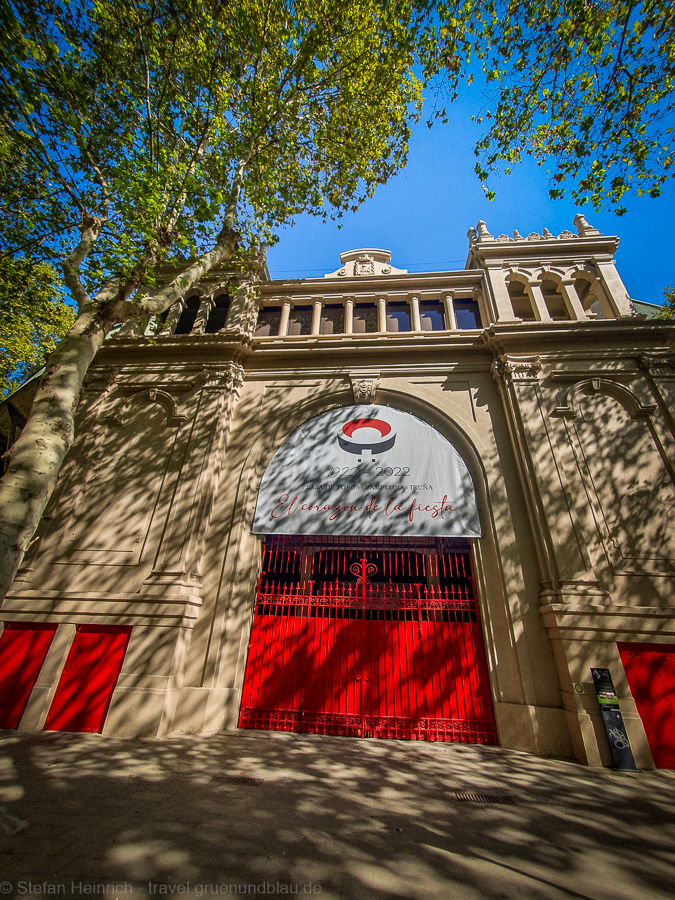
To invoke the protection of the saint, a tradition was born that remains unbroken to this day: a few minutes before the gates of the bull corrals are opened, hundreds of runners gather in their traditional white attire. Holding rolled-up newspapers in their hands, they gaze up at the small statue of San Fermín set into a niche of the city wall and chant their three-part prayer for his protection in unison. The red neckerchief—the pañuelico—worn by every visitor during the festival week may recall the saint’s devotion through its color, but above all, it serves as a symbol of absolute equality: before the bulls and before the patron saint, all people are equal.
The running of the bulls in Pamplona is therefore far more than just a nerve-wracking traditional sport. It is the living monument of a city that learned not to fight the raw force of nature, but to face it with respect, humility, and a generous dose of courage.