




The European Parliament and the Voice on the Route des Crêtes
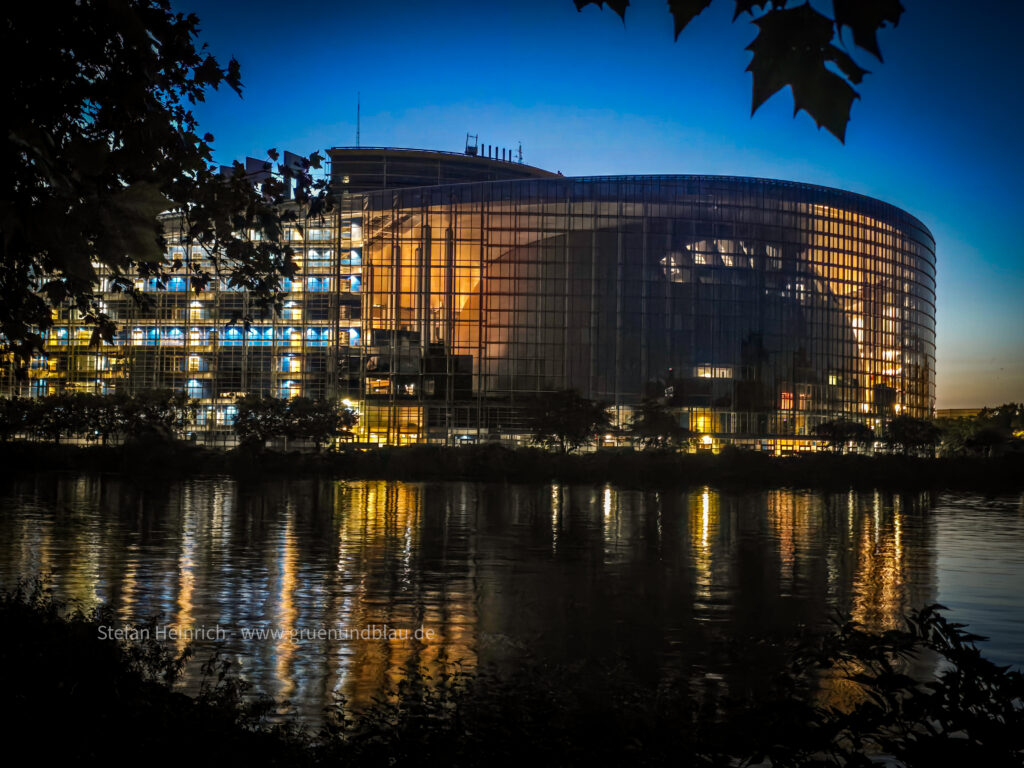
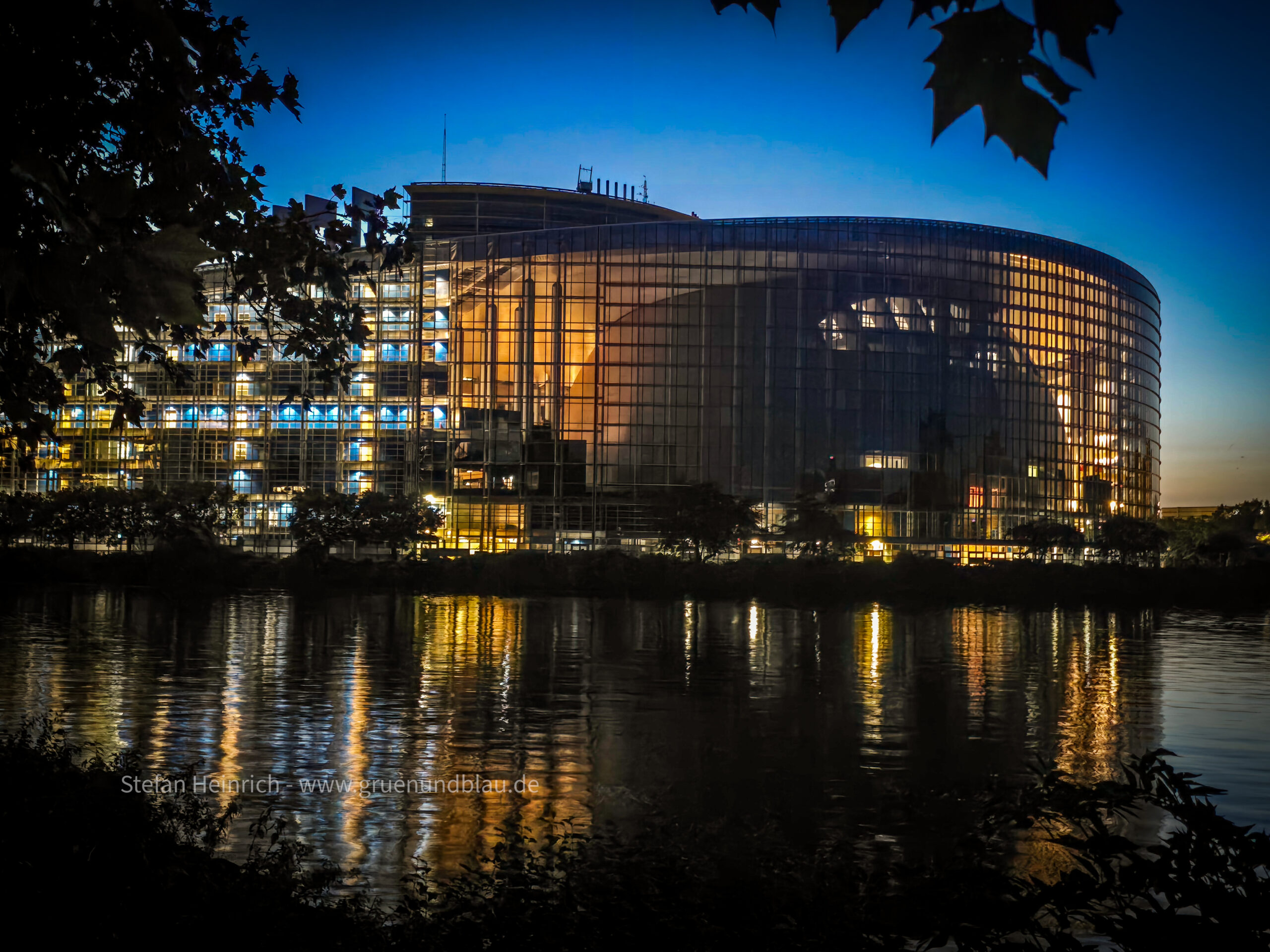
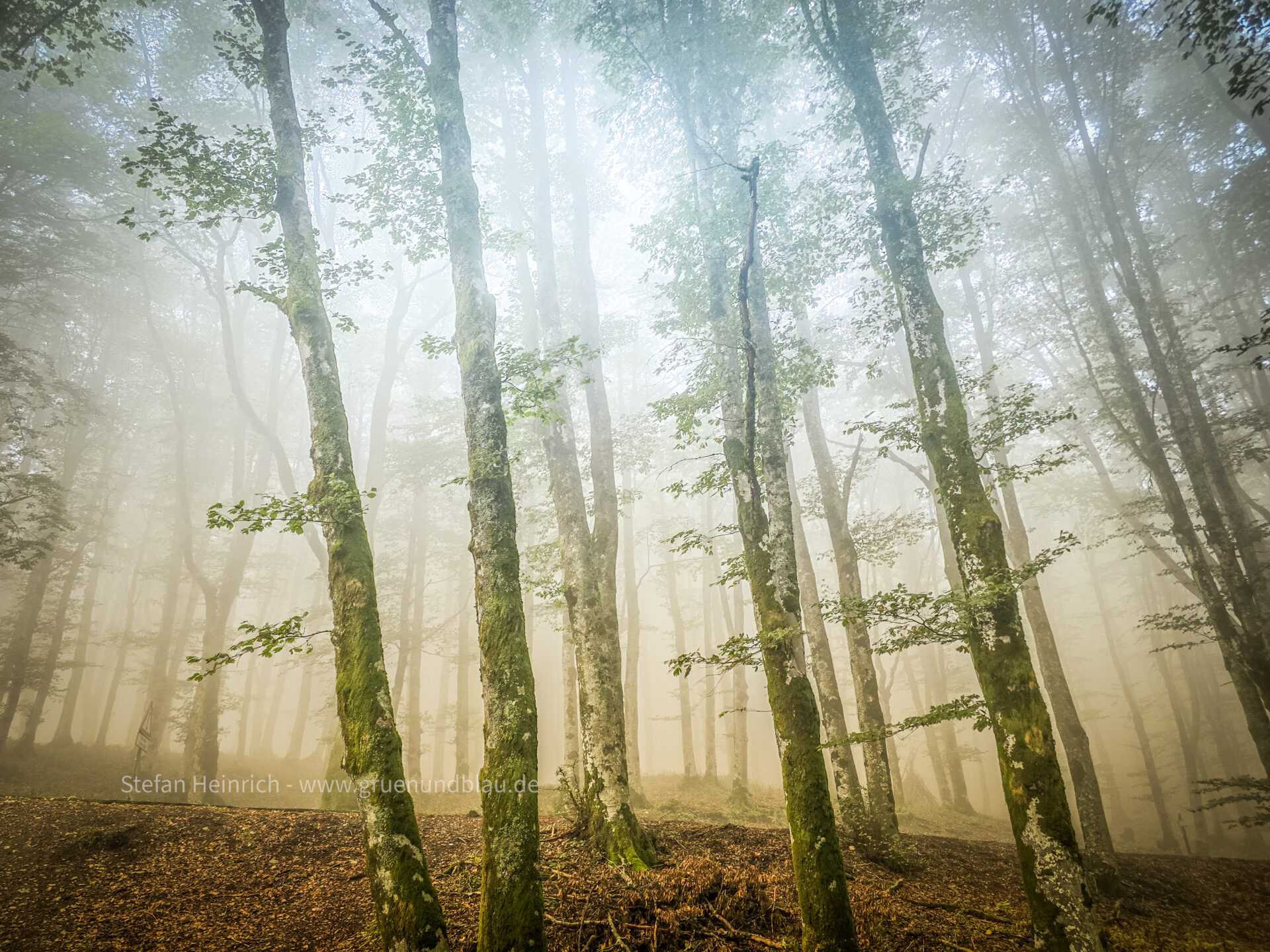
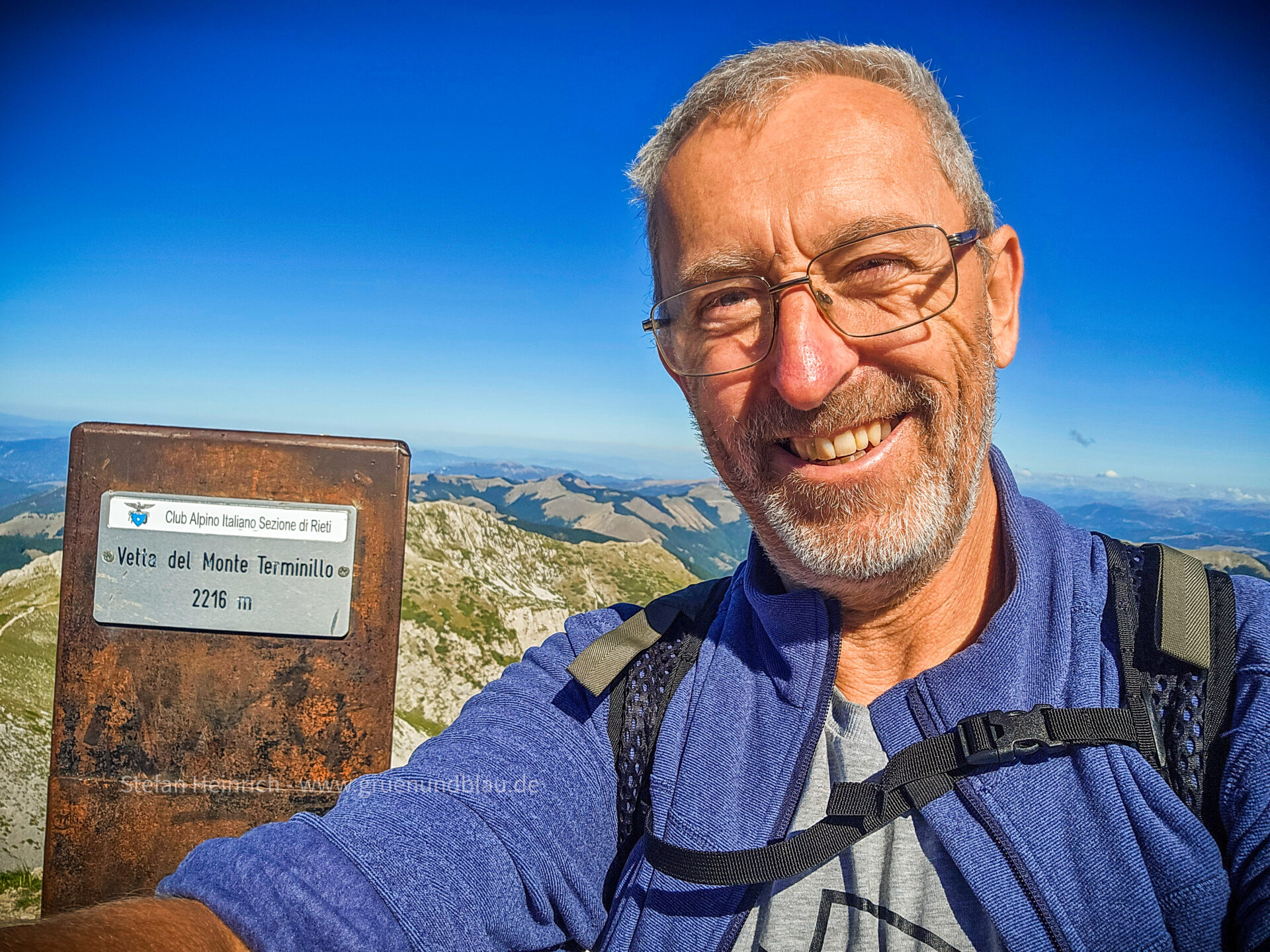
The European Parliament and the Voice on the Route des Crêtes The late afternoon bathed the rolling ridges of the Vosges in a warm, velvety light. I was traveling along the Route des Crêtes, the famous ridge road. I didn’t really have a set destination in mind—it was simply out of a deep longing to be in France, exploring the magnificent region of Grand Est. Anyone who loves Alsace knows this indescribable feeling of lightness. In my campervan, a converted postal bus, I rolled casually from one mountain crest to the next. Today, hundreds of tourists on motorcycles and bicycles were using this spectacular panoramic route to feel the freedom of nature. Yet the history of this road is dark: it was once carved into the rock by human hands for no other reason than to haul supplies and ammunition directly to the bloody front line during the Great War. Because I was driving the road purely for pleasure, I pulled over often to soak in the rugged beauty of the landscape. At a small, lonely parking area, I pulled my campervan to the edge. Directly beside a weathered stone wall stood a simple memorial erected for the soldiers who had fallen here. The cold wind sweeping over the mountain ridges brushed through the thick grass. I turned off the engine, stepped outside, and unpacked my simple lunch. Even though there wasn’t another soul to be seen for miles around, a strange goosebump suddenly washed over me. A voice—not loud, but penetrating like the rustling of the wind through the branches—seemed to come directly from the shadow of the monument. “Stranger!” whispered a voice behind me. “Tell me… what news is there out there?” I spun around. No one was there—only the endless view across the valleys. Yet the presence was tangible. “I hear hardly anything up here,” the voice continued softly. “Most people just drive past in a hurry. Scarcely anyone stops anymore whom I could ask for news of the world.” I swallowed hard, but quickly composed myself. “What… what would you like to know?” I replied quietly into the silence. “I don’t know much myself. I’m just a simple vanlifer. I travel through Europe, living my life as simply as possible, without baggage, without frills. What great things could I possibly tell you?” “You are a German, aren’t you?” asked the invisible companion. His voice sounded young—astonishingly young. “Well… I was born there, yes,” I answered hesitantly. “But most of the time I’m out traveling somewhere in Europe.” A long silence followed before the voice asked with deep unrest, “Did you drive us away from here? Or even wipe us out? Tell me!” I paused, taken aback. “What are you talking about?” “The wars!” he cried, and in the silence, there was suddenly the faint echo of cannon thunder. “Someone must have claimed victory over everyone else in the end! Who won? The Germans? The French? The English, Spaniards, or Belgians? Who kept the upper hand over the land?” A heavy stone settled onto my chest. Now I understood who I was speaking to—or what my thoughts were stumbling over. “If you stand here as a German…,” the voice whispered tremulously, “is this Germany again?” “No,” I said clearly and firmly. “This is France. This is Grand Est, and that is a good thing.” “But how can that be?” the fallen soldier asked in disbelief. “After the last great war, people learned that things could not go on like that,” I answered peacefully. “The countries of Europe have finally made peace.” A bitter laugh echoed from the rock. “They have made peace many times before! It never lasted long. There were always those who rose up thinking their own nation was more important than all the others. And the sacrifices of previous wars always had to be avenged, otherwise those men would have died in vain.” “That is precisely why they created something entirely new,” I replied, looking out at the shimmering silhouette of the landscape. “They decided to establish a joint European Parliament—a representative assembly that unites them all.” “The French… and the Germans together?” The voice sounded stunned. “Yes. And many other nations as well. Today, this European Parliament represents over 450 million people across 27 countries. Within its halls, 24 different languages are officially spoken.” “WHAT?” gasped the ghost of the soldier. “And… and something like that actually works?” “Most of the time, yes,” I chuckled softly. “Of course, there are often disagreements and debates. With 450 million people and 27 countries, that’s completely normal. But the most important foundation stands rock-solid: there are no more wars between us.” “There is no war at all anymore?” “In the wider world, unfortunately, there are still too many wars,” I admitted heavily. “But no longer among these 27 countries. We respect and honor the borders of our neighbors. We have dismantled the border gates, abolished tariffs, and withdrawn the soldiers from their posts. We travel in freedom, and many of us even use the same currency.” A long, deep exhale drifted through the wind. “That is… that is hard to believe. To simply cross borders like that? Without a passport? Without fear?” “Yes!” I said with emphasis. “I travel constantly in my camper through France, Grand Est, and many other regions. Down in Strasbourg, where the seat of the European Parliament is located, people today casually take the tram across the Rhine—from France into Germany and back again. French people work in Germany; Germans live in France. Young people study all over the continent, get to know each other, fall in love, marry, and build a shared future together.” It grew dead silent on the mountain pass. Then the voice returned, filled with an infinite sorrow. “But… if people could simply decide to live in peace… then my dying here in the mud was completely meaningless! We fought to avenge the victims of earlier wars…” I looked down at the memorial. The stones were silent.