



The Dragon of the Wutach Gorge: Why Change Is What Life Is Really About
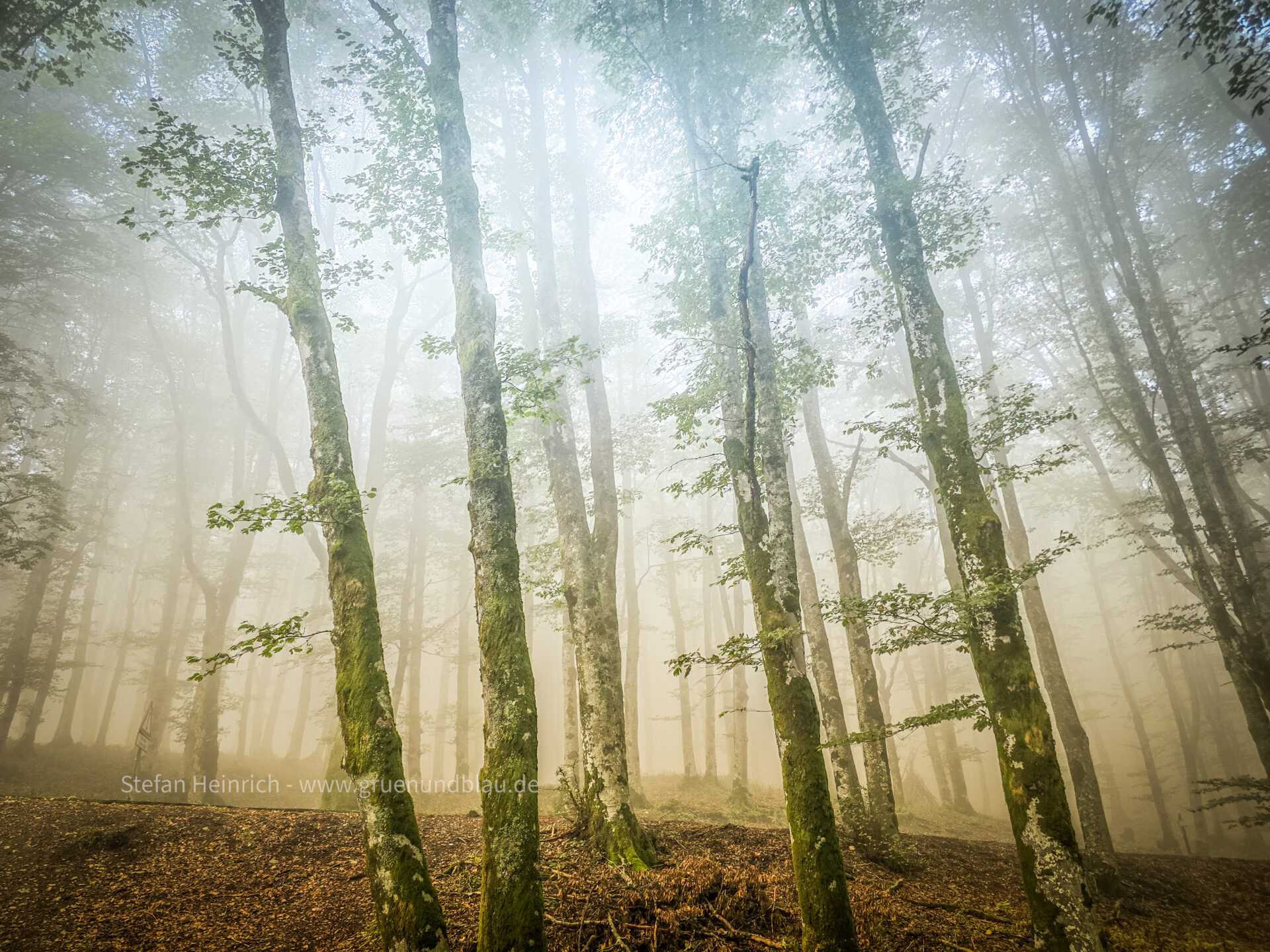
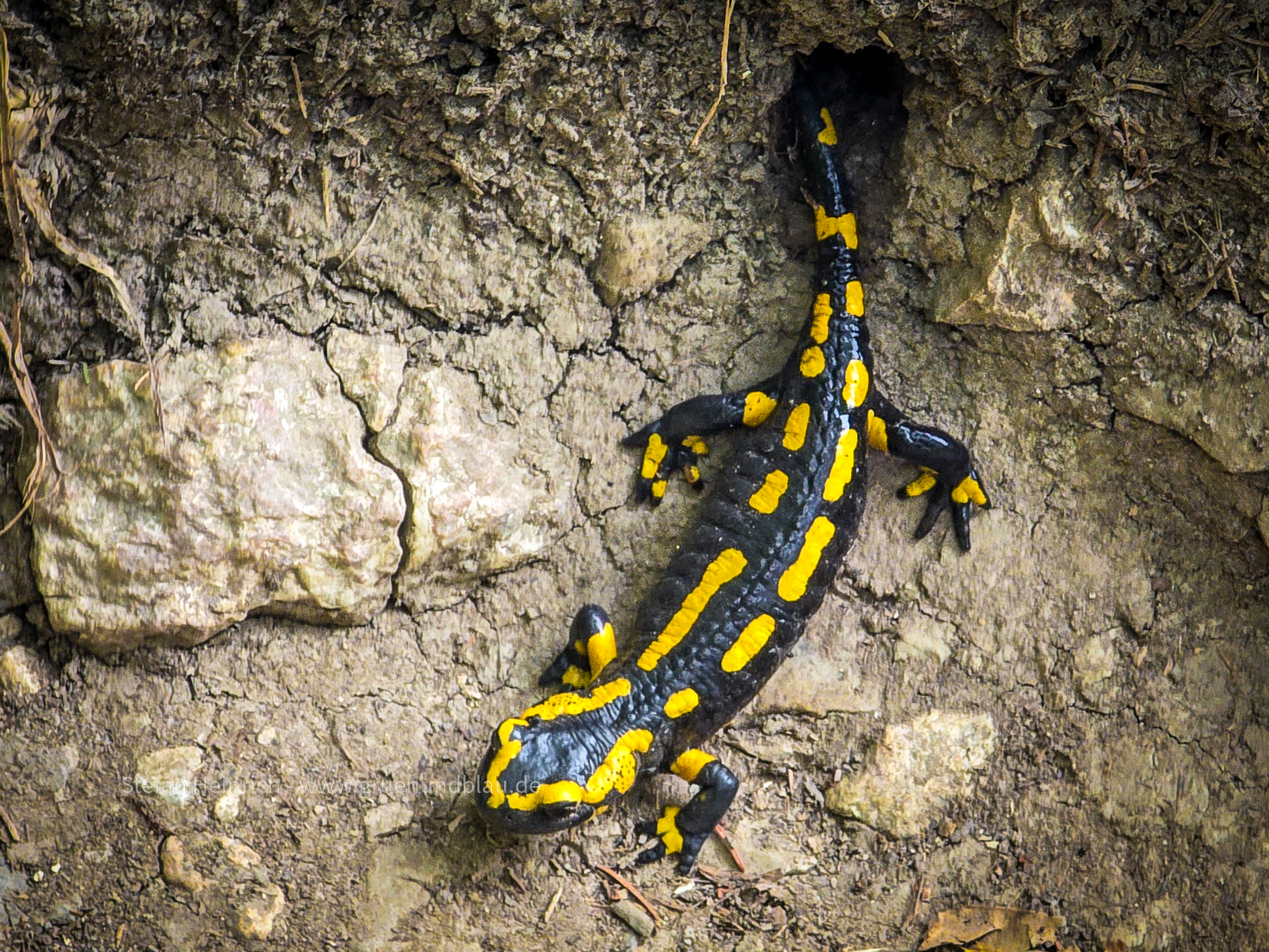
The Dragon of the Wutach Gorge: Why Change Is What Life Is Really About There are days when you plan a perfectly normal hike through the Black Forest. Sturdy boots, a packed lunch in your backpack, the usual dose of optimism. And then there are days when you stand deep in the damp thicket of the Wutach Gorge, arguing about the meaning of human existence with a hand-sized, yellow-and-black spotted relic from prehistoric times. On this day, the Wutach Gorge was showing its most stereotypical side: moss-covered rock faces, the constant rush of water, cool, slightly clammy air, and steps—countless steps made of damp wood and slippery stone. I was in the rhythm of a perfect hiking groove, devouring elevation meter by elevation meter, when my foot froze mid-air. There he sat, right on the edge of a wooden step. A fire salamander. Or rather: a pygmy dragon with terrible posture. He had the build of a slightly overstuffed bratwurst, gleamed like he’d been freshly varnished, and didn’t honor me with a single glance. I balanced on one leg to avoid sending the little creature to the kingdom come with my treaded soles, waved my trekking poles around for balance, and finally sat down on the step above him. “Hey, little fire dragon,” I said, slightly out of breath. “Aren’t you a bit worried I might just trip over you if you take a break right in the middle of the trail?” The little guy turned his head very, very slowly. If looks could kill, I would have turned to ash on the spot—and my performance fleece wouldn’t have helped me one bit. He blinked twice with the serenity of a creature that had already survived the Ice Age and really had no desire for small talk with a tourist. “I am not sitting on your trail,” he replied. His voice sounded like two cool pebbles being rubbed together underwater, seasoned with a healthy dose of grumpy local hostility. “I am sitting in front of my house. And if it weren’t so cursed cold out here and my limbs were a bit warmer, I would have been over the hills long ago. But right now, I just need a little longer. And with those spindly, endless legs of yours, I’m sure you can manage to walk around me, can’t you?” I couldn’t help but grin. An amphibian with an ego problem. “Yeah, yeah, fair enough,” I said to pacify the mini-dragon. “Don’t be so cranky. Since you’re stuck here anyway waiting to reach operating temperature, why don’t you tell me a bit about the Wutach Gorge instead?” The salamander snorted. A tiny wisp of mist escaped his snout—probably my imagination, but it suited his dragon persona. “That’s what you humans call it,” he said, shaking his head disapprovingly. “‘Wutach Gorge.’ To us, the river has no name. Why should it? It doesn’t listen when you call it anyway. My ancestors and I have been here forever. But the river was here before that. And the mountain, too. They play together. The exact same game, over and over again.” He paused briefly to execute a microscopically small climbing motion with one front paw, which advanced him approximately three millimeters. “The mountain blocks the river’s path,” he continued, “and the river stubbornly finds a new one. Then it digs and gnaws at the foot of the mountain until the mountain loses its patience and crashes a few tennis-court-sized boulders down into the riverbed. And bam—the whole thing starts all over again. It’s wonderful! Thanks to this constant change, a completely new landscape is created time after time. We never get bored here.” I raised my eyebrows. “Well,” I interjected, “that sounds romantic, but landslides just like that have caused houses to collapse here in the past. And flash floods have washed away bridges. We humans find that rather less than ideal.” The fire salamander made a sound that was unmistakably meant to be a laugh. It sounded like rustling dry leaves. “Oh, humans!” he exclaimed, looking up at the sky. “The two of them—the mountain and the river—simply love change. They probably even thought they were doing you a favor with all this dynamic energy! But you don’t like change, do you? You’re terrified of it! You build a wooden house on a landslide zone, give every tree, every stone, and every stream a name, and then claim with a straight face that the whole lot belongs to you!” He shook his head again, this time with genuine pity. “You ought to hear how that sounds from a bird’s-eye view. That’s just like that little green beetle over there claiming he owns the three-hundred-year-old oak tree he’s been crawling up since this morning!” He pointed his snout toward a tree root, where a small dung beetle was indeed busily making its way up. I scratched the back of my head. The little guy wasn’t entirely wrong. But I had to defend my species’ honor just a little bit. “Now hold on,” I said. “You wouldn’t want someone coming along and destroying your cave either, would you?” “Pfft!” the dragon scoffed, waving off the thought. “Then I’ll just build a new one! Change is part of life. Next time the river shifts direction and tears away the bank, there’ll be wonderful, soft earth right over there for me to dig perfect new tunnels into. It’s just you masterminds who don’t get it. Typical humans! With your giant plastic boots, you trample everything that isn’t hidden in the moss by the count of three, and you throw your garbage everywhere, too.” I raised my hands defensively. “Hey, hey! I don’t leave any garbage! You really have a terrible attitude today, you little fire dragon.” The salamander drew himself up as far as his short little legs allowed. He puffed out his chest, making his yellow warning stripes look even brighter. “You just be glad I’m not any bigger!” he threatened, glaring at me
The Guardian of the Zeller Horn
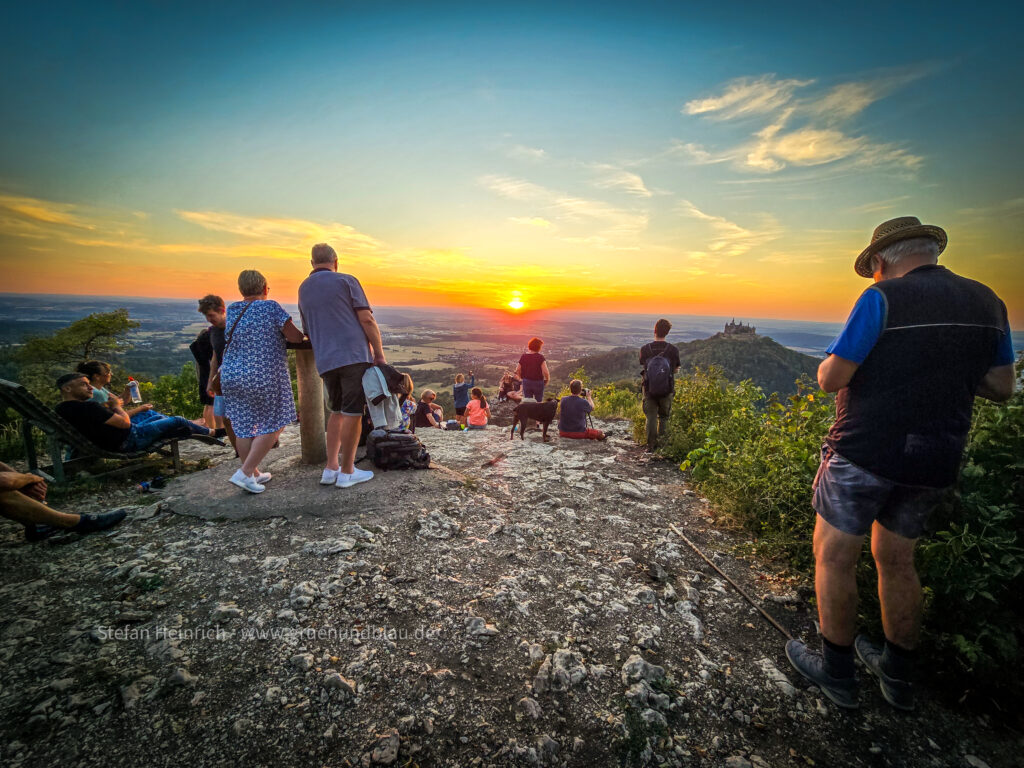
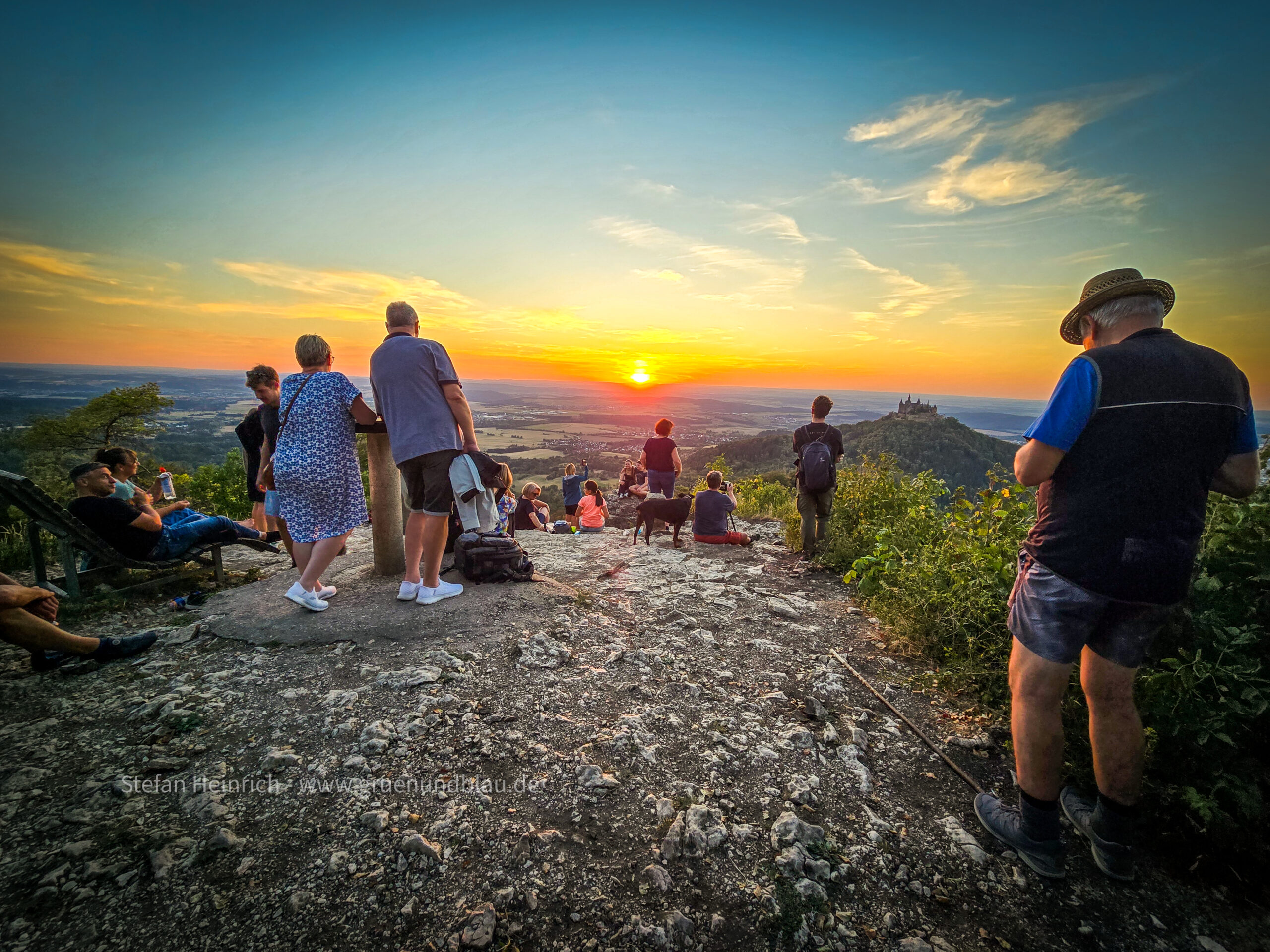
The Guardian of the Zeller Horn The evening sun cast long, golden shadows across the edge of the Swabian Alb as I reached my destination for the day. I was standing on the rocky outcrop of the Zeller Horn, one of those breathtaking viewpoints directly opposite Hohenzollern Castle. Far below lay the small town of Hechingen, gently nestling in a sea of green rolling hills, while across on the witness hill, the mighty fortress sat like a crown in the evening light. It was a magical place. A few weathered park benches invited visitors to set down their backpacks, stretch out their legs, and simply enjoy the moment. I was not the only one drawn by the spell of this hour: a few hikers were resting nearby, chatting softly in the grass, and a bit further along, a landscape photographer waited patiently with his dog. His tripod was already set up, the camera aimed precisely at the fiery silhouette of the castle. Everything felt peaceful, almost floating in the transition from day to night. I was just losing myself in the tranquil panorama when I heard footsteps in the leaves. The dry wood of a long walking stick snapped in the rhythm of a slow, yet surprisingly steady stride. Out of the shadows of the dense beech trees stepped an old man. His figure had something entirely timeless about it: he wore a wide-brimmed straw hat that kept his face almost completely in shadow, and he leaned on a gnarled wooden staff that was nearly as tall as he was. The man paused, adjusted his hat slightly backward, and gazed silently out across the wide country into the plains. Then he turned around, headed purposefully toward my bench, and stopped right in front of it. “May I join you?” he asked in a deep, slightly raspy voice. “Of course,” I replied, sliding over a bit. “There’s plenty of room.” The old man sat down slowly. He wrapped both hands around the knob of his giant wooden staff, rested his chin on his knuckles, and stared across at Hohenzollern Castle. “I’ll say just one thing, then I’ll be quiet, for I don’t wish to disturb anyone,” he began abruptly, without so much as looking over at me. “Today is another fantastic evening to gaze upon the castle.” I chuckled at the strange formality of his first sentence, but I was glad for the conversation. “That’s true,” I replied smoothly. “The visibility today is incredible. You can see endlessly far into the countryside.” The old man nodded deliberately, without changing his posture. “I’ll say just one thing to that, then I’ll be quiet again: you can look all the way from the great city of Stuttgart, where they built that modern television tower, over to Rottweil, where they recently put up that other, even taller tower.” His phrasing sounded wonderfully old-fashioned. I turned a bit more toward him. “I actually wanted to take a closer look at the castle over there today,” I shared openly. “But when I stood down at the gate, I was turned away. Fully reserved for a closed, private event.” The old man let out a soft, dry chuckle. “I’ll say just one more thing… They have to host such celebrations often. For they must pay for the castle. A thing like that is expensive. Very expensive.” “Who actually owns the estate today?” I inquired further. He stroked the worn wood of his walking stick with his wrinkled hand. “The walls you see over there aren’t very old at all. Perhaps a hundred and fifty years, or only a little more. The former lords of that steep mountain had moved away long ago, having lost interest. But a young man from the family eventually visited the area again while he was on his grand educational tour. He found the old castle there, which by then was nothing more than a romantic, overgrown ruin. And he decided on the spot to have it rebuilt.” “But surely not as a real, defensible castle anymore?” I chimed in. He shook his head slowly. The straw hat cast deep shadows over his face. “No. As a romantic dream castle. Some didn’t like that one bit.” I observed the old man’s profile closely while he spoke. There was a subtle, almost bitter sharpness in the way he emphasized his words. For a brief, bizarre moment, I didn’t get the impression that I was listening to someone interested in history, but rather to someone who had taken this reconstruction as a personal insult. “But today it’s wonderful to look at,” I tried to defend the magnificent scenery. “A real fairytale castle.” The man straightened up slightly. His knuckles turned white against the wooden staff. “I’ll say only one more thing, then I’ll be silent forever: they say there was once a watchman on the ruins of the old castle. He had fallen asleep on duty—weary from endless watches—and so failed to sound the alarm when the enemy approached in the cover of night. As punishment for his failure, he was condemned to guard the ruins for eternity. And believe me: he still takes his duty very seriously to this day.” I smiled, amused by this sudden detour into the realm of ghosts. “But then he could just as easily guard the new castle today! What’s the difference anyway? Surely ghosts aren’t that particular about architectural history,” I added with a wink. As the word “ghosts” fell, a strange shift came over the old man. He snapped his back straight so suddenly that the wood of the bench creaked softly. Instinctively, I turned my face fully toward him. He wasn’t looking at me. His gaze was fixed sharply on the dark battlements across on the Zeller mountain. “I’ll say just one more thing,” he said, and his voice suddenly sounded hard as granite. “The honorable soldiers of the old guard often cannot tell the difference… not between enemies who once came charging up the
The Laugh in the Deep Blue: The Enchanting Legend of the Beautiful Lau
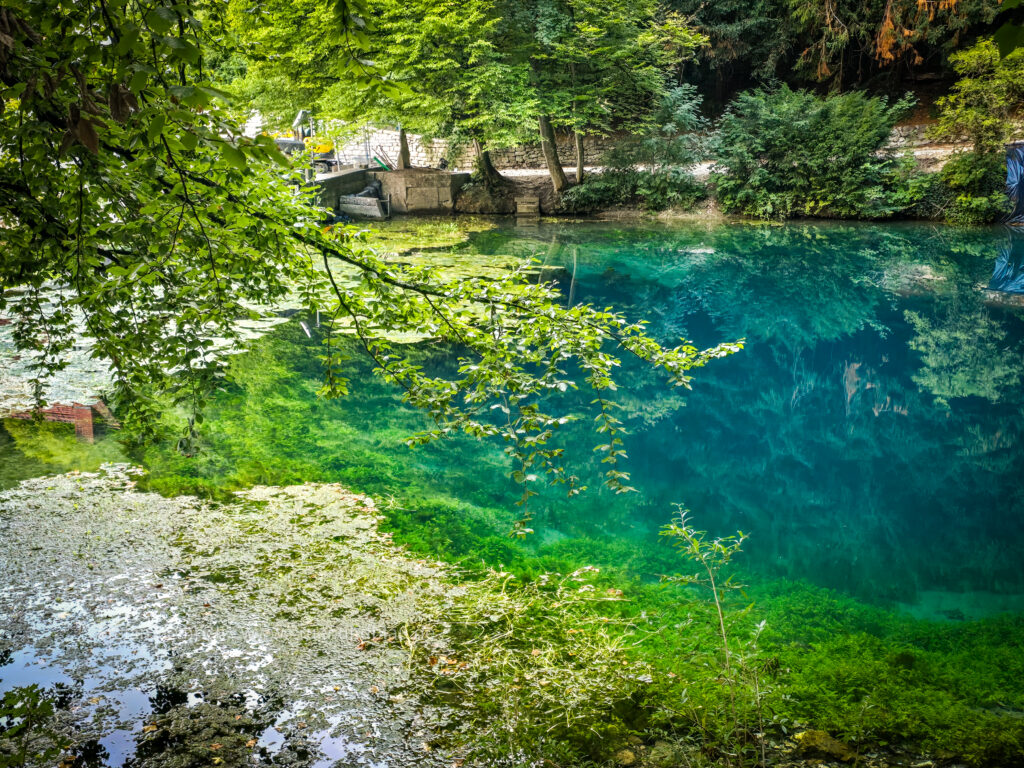
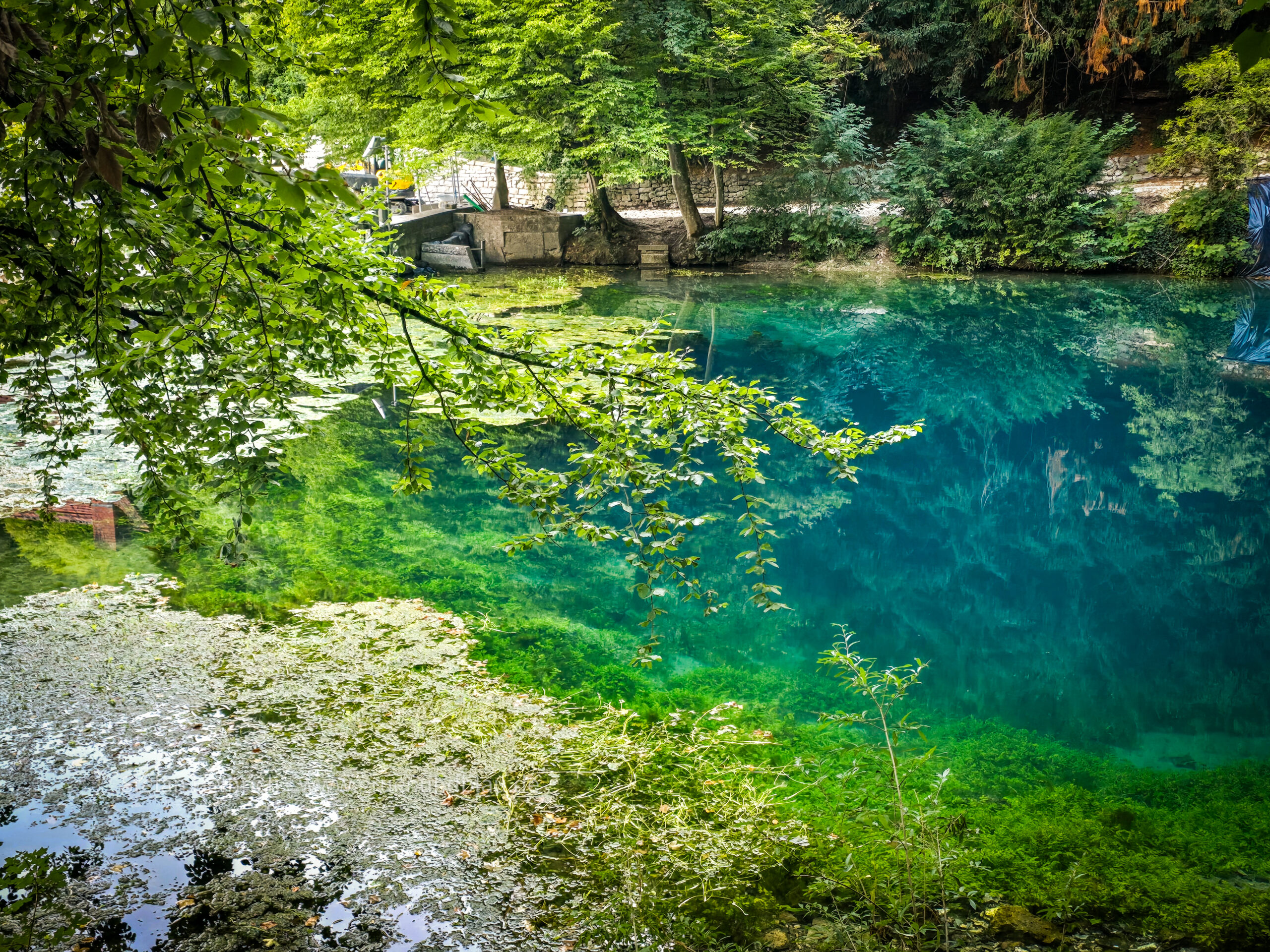
The Laugh in the Deep Blue: The Enchanting Legend of the Beautiful Lau Anyone traveling through the Swabian Jurassic Valley to Blaubeuren can hardly believe their eyes. At the foot of the Swabian Alb rocks sits the Blautopf—a karst spring whose water glows in such an incomprehensibly intense turquoise blue, it looks as though someone dumped a giant load of ink into it. Yet this shimmering blue has no chemical origin. It is the legacy of one of the most romantic, hilarious, and touching legends in Swabian history: The Tale of the Beautiful Lau! A Mermaid in Exile and a Royal Relationship Spat Deep in the Black Sea, a powerful Water King once ruled. His consort was the Beautiful Lau—a breath-takingly gorgeous mermaid with long, flowing hair and enchanting features. However, despite her breathtaking beauty, a dark shadow hung over her marriage. The Beautiful Lau was terribly melancholic, gave birth only to stillborn children, and had not laughed a single time in her entire life. No jokes, no smiles—not even a weary smirk. The Water King—driven to the brink of desperation—finally made a drastic decision. He banished his melancholic wife to the German hinterland, specifically into the bottomless Blautopf in the Swabian Alb. His parting words were crystal clear: “You shall only return to the Black Sea and bear me an heir once you have laughed five times from the bottom of your heart!” A Herculean task for a mermaid who had hitherto always been dead serious about everything. Luxury Living at the Bottom of the Blautopf Upon arriving at the Blautopf, the Lau made herself right at home at the bottom of the deep cave. Instead of wallowing in gloom, she built herself a palatial glass castle underwater, complete with carpets woven from the finest algae and walls made of sparkling rock crystal. Whenever the sunlight hit just right, she swam up to the surface and peeked curiously at the small town of Blaubeuren. The locals were scared out of their wits by the mysterious mermaid. Whenever someone tried to measure the depth of the Blautopf using a lead weight on a string, the Lau would snatch the cord, snip off the weight, and giggle (though not quite laughing out loud yet!) from below. Yet even the most beautiful underwater palace couldn’t cure her loneliness. The Beautiful Lau needed company—real, human company! The Innkeeper and a Swabian Crash Course in Humor Right next to the Blautopf stood the monastery tavern, run by the warm-hearted innkeeper, Betha. When the innkeeper sat by the shore washing vegetables one day, the pretty mermaid cautiously popped her head out of the water. What began as a fright quickly bloomed into a wonderful female friendship. Betha invited the Lau into her cozy parlor. However, since the mermaid didn’t have human legs but an elegant fish tail, she swam through the underground drainage pipe straight into the cauldron of the tavern kitchen! The innkeeper bought her new friend lovely dresses, fed her hearty Swabian Maultaschen (stuffed pasta dumplings), and tried desperately to cheer up the sad water lady. Laugh No. 1: When the innkeeper put a colorful corset on the mermaid, and the Lau saw herself in the mirror looking absurd as a half-fish in traditional Swabian attire, she let out her first snicker. The water in the Blautopf immediately turned a bright, joyful azure! Laughs No. 2 & 3: Watching the locals perform traditional folk dances and listening to the tavern maid’s endless banter coaxed the next chuckles out of her throat. Laugh No. 4: When the innkeeper stumbled after a few cups of wine and sailed in a high arc into the flour bin—stack of wooden plates in hand—the Lau bent over laughing. The Redeeming Fifth Laugh Only one final laugh was needed for her freedom! Destiny struck when the innkeeper’s young son was playing by the shore and accidentally dropped his wooden spinning top into the deepest water. He burst into bitter tears. The Lau surfaced, retrieved the top from the depths, and made the toy dance wildly across the water’s surface. The boy clapped his hands in delight, made a silly leap of joy, and tumbled backward into the soft moss. And then it happened: The Beautiful Lau clapped her hands over her face and burst into a liberating, bell-clear, and genuine laugh that echoed through the entire valley! The spell was broken. The Happy Ending in the Black Sea The Beautiful Lau bade a tearful, grateful farewell to the innkeeper and the people of Blaubeuren. As a token of her gratitude, she left behind precious treasures from her palace before slipping back through the deep cave tunnels toward the Black Sea. There, she embraced her Water King, soon bore him healthy heirs, and never forgot how to laugh again. When you stand by the Blautopf today and see the water glowing so magically, you’ll know for sure: It is the memory of the most beautiful laugh in the Swabian Alb!