





Sneakers, Servers, and Silicone: How Carlo Acutis Went from Teenager to the First Cyber-Saint
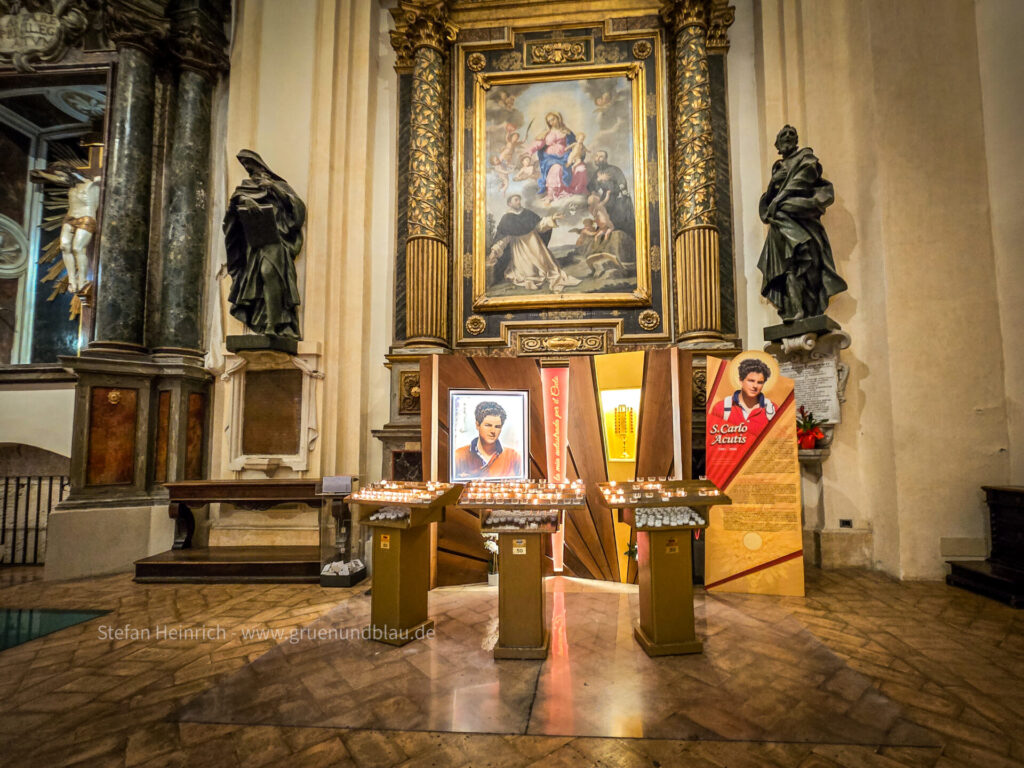
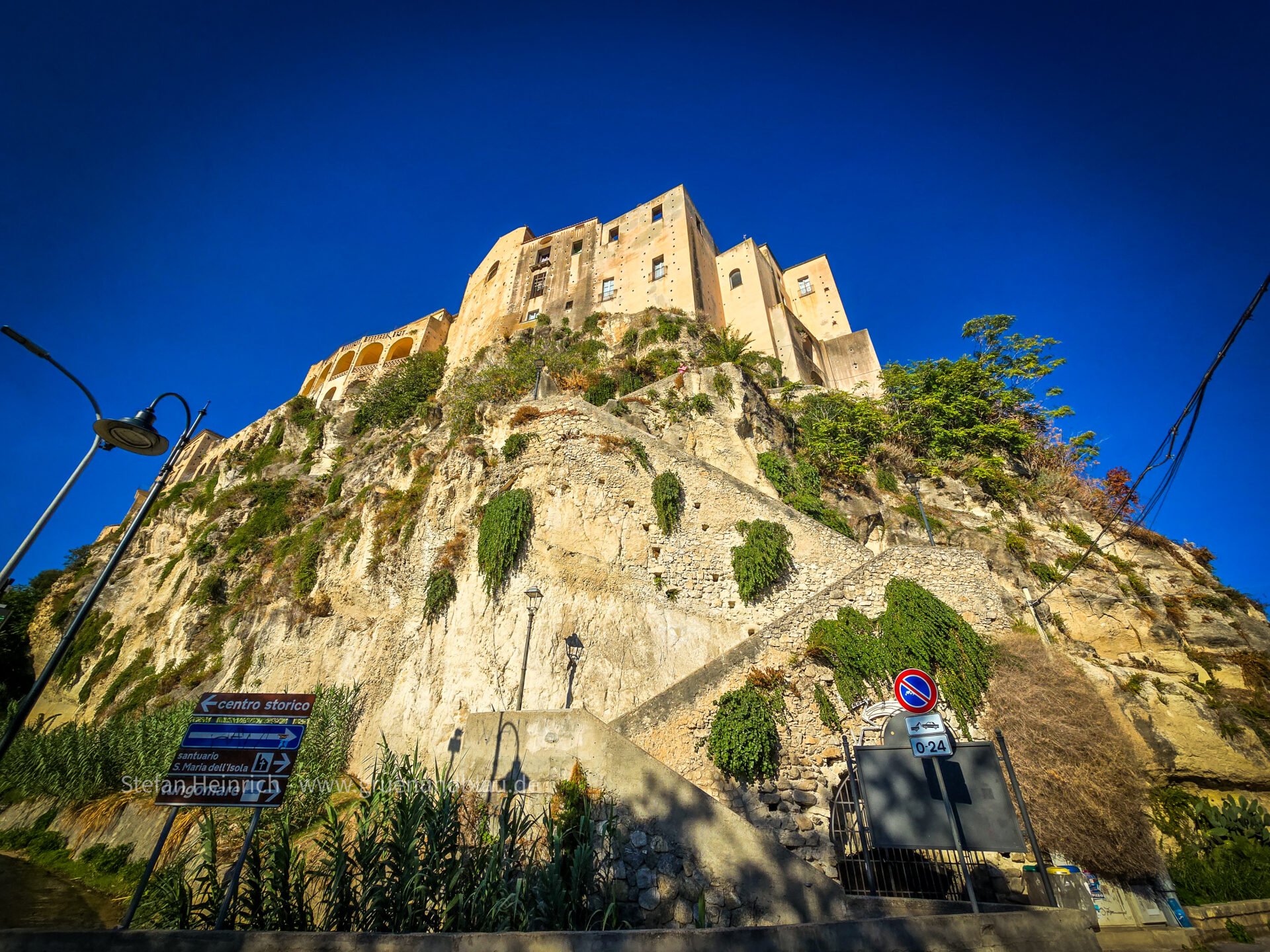
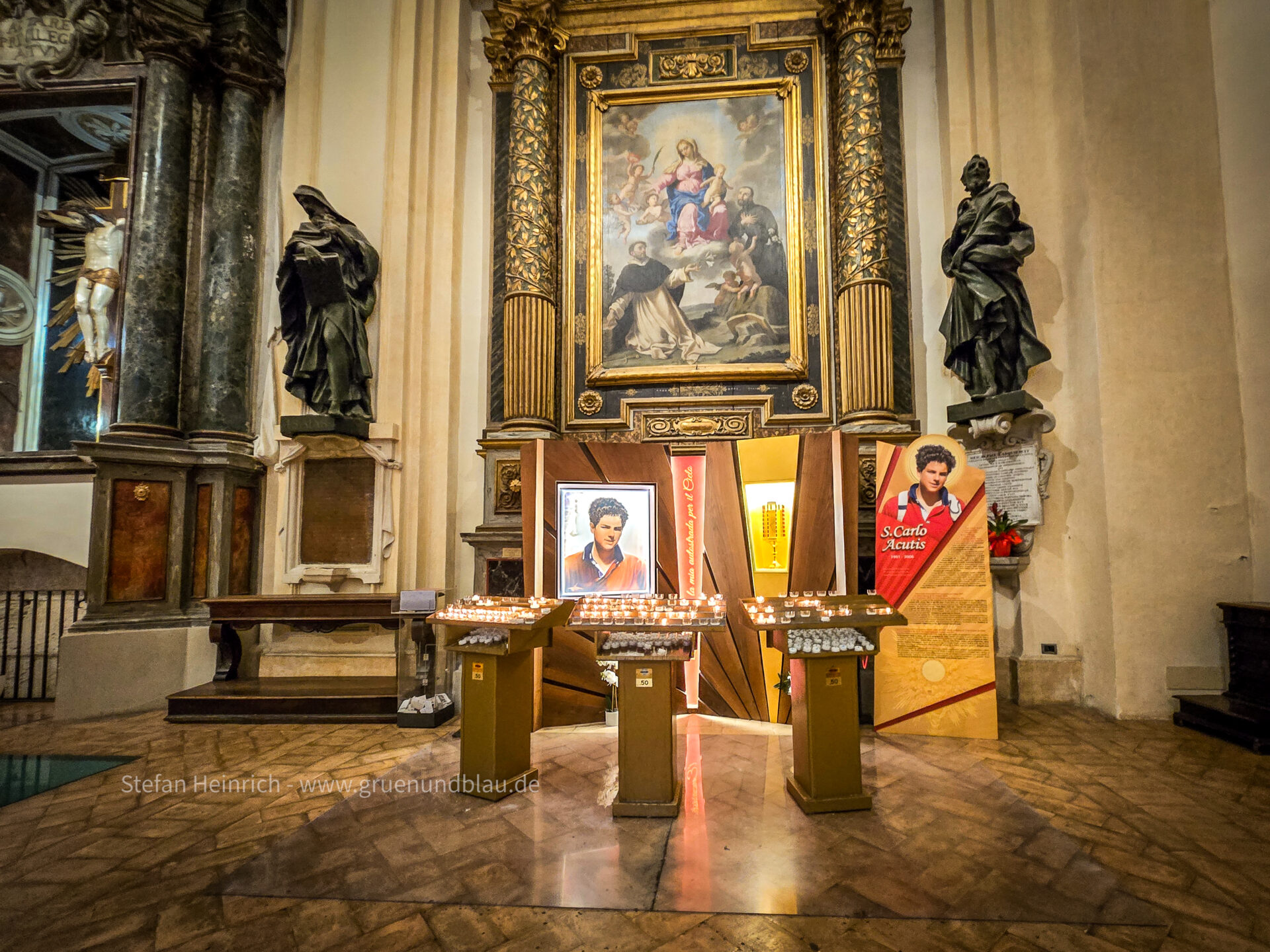
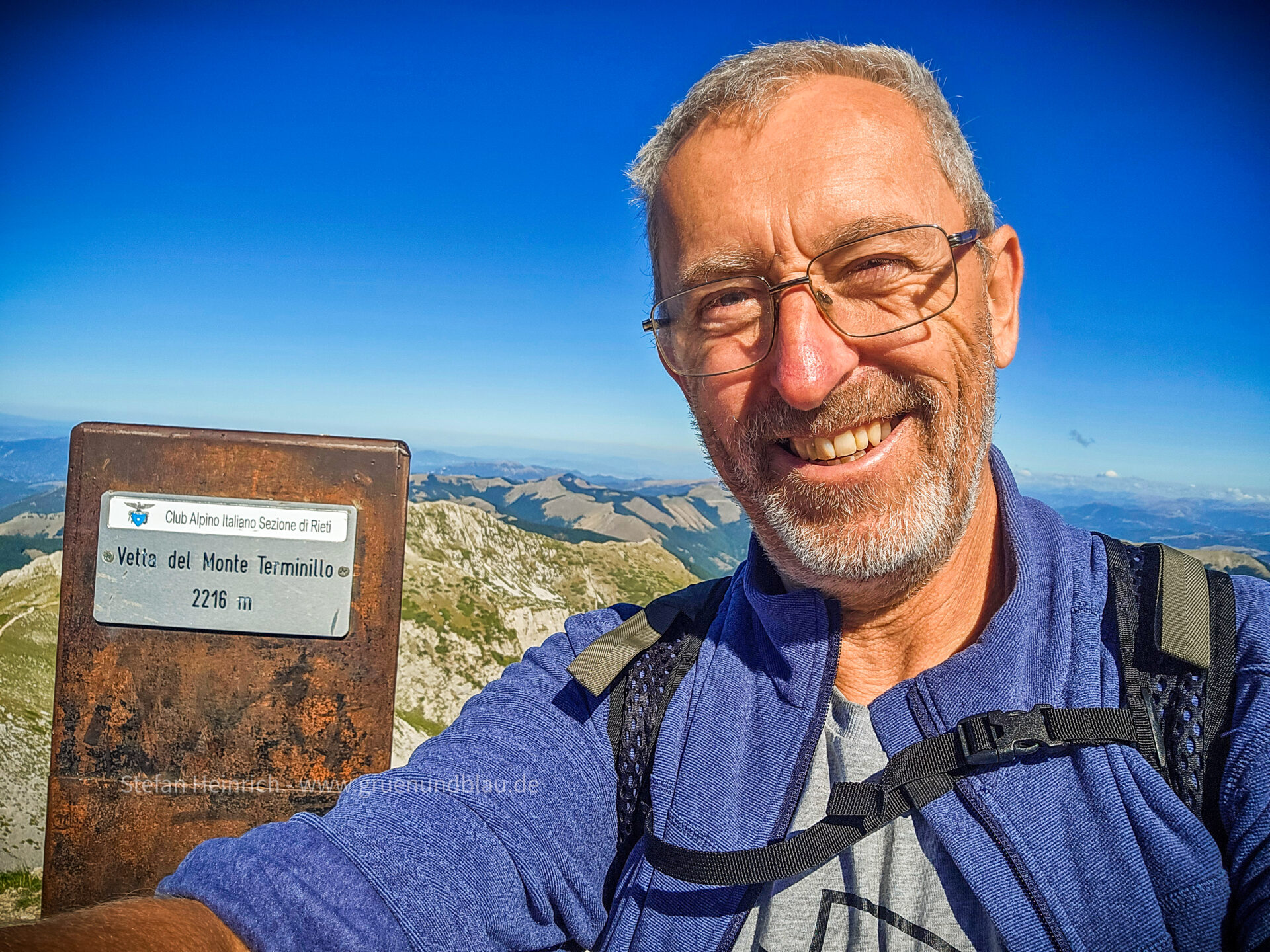
16 Sneakers, Servers, and Silicone: How Carlo Acutis Went from Teenager to the First Cyber-Saint My recent experiences at the peak of La Verna had sparked my curiosity. If the medieval cult around stigmata and melting rocks worked so well, what did Umbria’s religious epicenter have in store? So I steered my camper south, climbing steeply up toward Assisi. Naturally, I expected the usual traces of Saint Francis. What I discovered there, however, surpassed anything I’ve encountered on four wheels in terms of sheer curiosity and staging: the story of Carlo Acutis. Anyone who reads through official biographies, media reports, and Catholic Church documentation (feel free to check the facts yourselves; I’m relying purely on the results of my own research) comes across a canonization that couldn’t be placed more perfectly in the digital age. Carlo was born in 1991. Just a normal teenager, you might think—yet he was fascinated by computer science and religion. At the tender age of eleven, he created a PDF document meticulously compiling 136 alleged eucharistic miracles—historical cases of host discolorations. (People also say he built a website, though there’s no evidence for that; all websites on the topic were registered after his death.) What began as a digital side project quickly gained massive momentum: the texts were printed out, displayed in Rome, and eventually traveled as a touring exhibition through an estimated 10,000 parishes worldwide. In October 2006, tragedy struck: at just 15 years old, Carlo succumbed to aggressive leukemia within a matter of days. He was buried in his family’s vault in Assisi. What followed was the birth of a modern myth. The media quickly dubbed him “God’s Influencer” or the “Cyber-Apostle.” The Vatican recognized the enormous potential of this narrative for reaching a younger audience. For an earnest teenager to become a saint, Church rules require proven miracles. The first followed in 2010 in Brazil: a boy with a congenital pancreatic disease was allegedly cured after touching a piece of cloth from Carlo’s sweater. Researching the diagnosis reveals that this disease typically runs in flares, with many sufferers experiencing periods completely free of symptoms. For Rome, however, the incident was enough: the phenomenon was recognized as an official miracle, and Carlo was beatified in 2020. The required second miracle wasn’t long in coming: a mother from Costa Rica prayed at the tomb in Assisi for her daughter, who was in a coma following a severe bicycle accident with traumatic brain injury. On that same day, the daughter reportedly began breathing independently again. With that, the path was clear: in September 2025, the teenager with the miracle PDF was officially canonized by Pope Francis. Up to this point, it sounds like a modern success story of faith. But wandering through Assisi, you encounter a side of this veneration that takes some getting used to, to put it mildly. Back in 2019, Carlo’s body was exhumed from the family vault. During this procedure, his heart was removed—a relic henceforth kept in a precious shrine at the Basilica of Saint Francis and toured in display cases through various European cities. The rest of his body was initially displayed publicly in a wooden coffin and ultimately laid out in the church of Santuario della Spogliazione in Assisi. There he lies to this day in an open glass coffin, dressed in everyday clothes: jeans, a sports jacket, and Nike sneakers. Standing before the casket, you look upon a flawless face and peaceful hands. A medical miracle? Not quite. The face and hands were elaborately remodeled and reconstructed from silicone to give the corpse an uncorrupted appearance and present posterity with the image of a sleeping boy. I’ll spare you the photo of the corpse with a silicone face in a glass coffin, complete with a bench for visitors in front of it. Everything neatly set up with orderly access lanes. In the winding alleyways of Assisi, the “Cyber-Apostle” has long become a major economic factor. Alongside traditional Saint Francis statues, souvenir shops sell pins, keychains, prayer cards, and mugs featuring the image of the teenager in a tracksuit. Standing against this historic backdrop, watching the streams of pilgrims before the glass coffin, you can’t help but wonder where the line lies between deep-felt devotion, modern event marketing, and a bizarre relic cult. I’ll leave the commenting to you at this point—form your own opinion.
When Stones Turn Soft and Angels Grow Wings: The Spectacle of La Verna
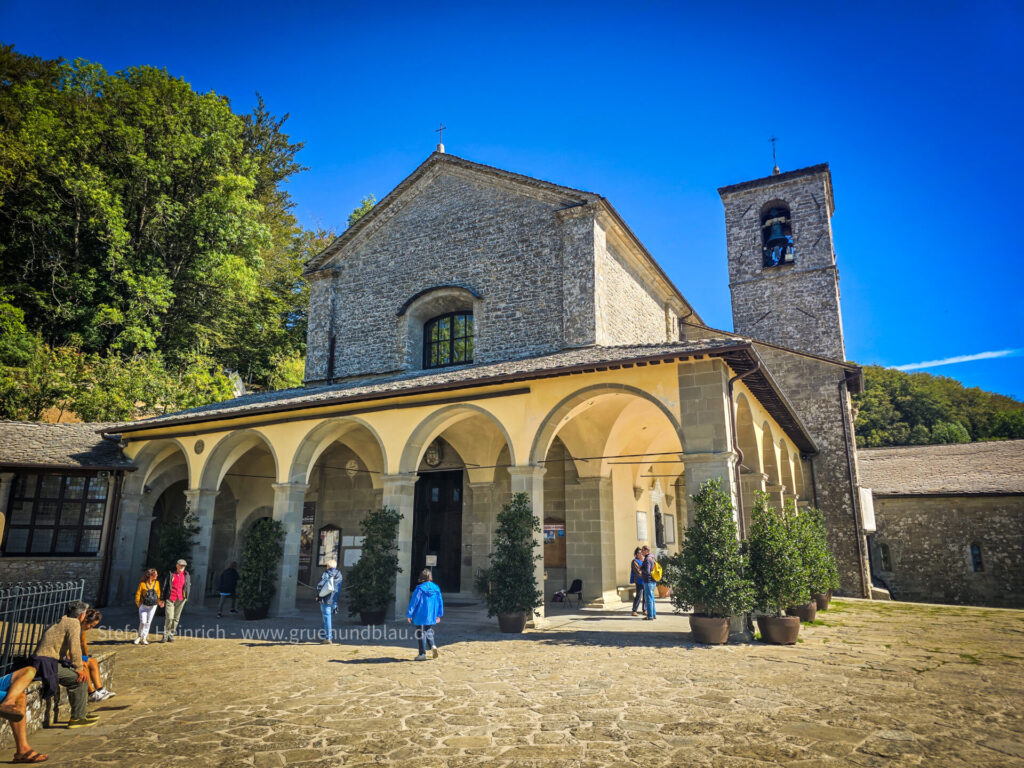
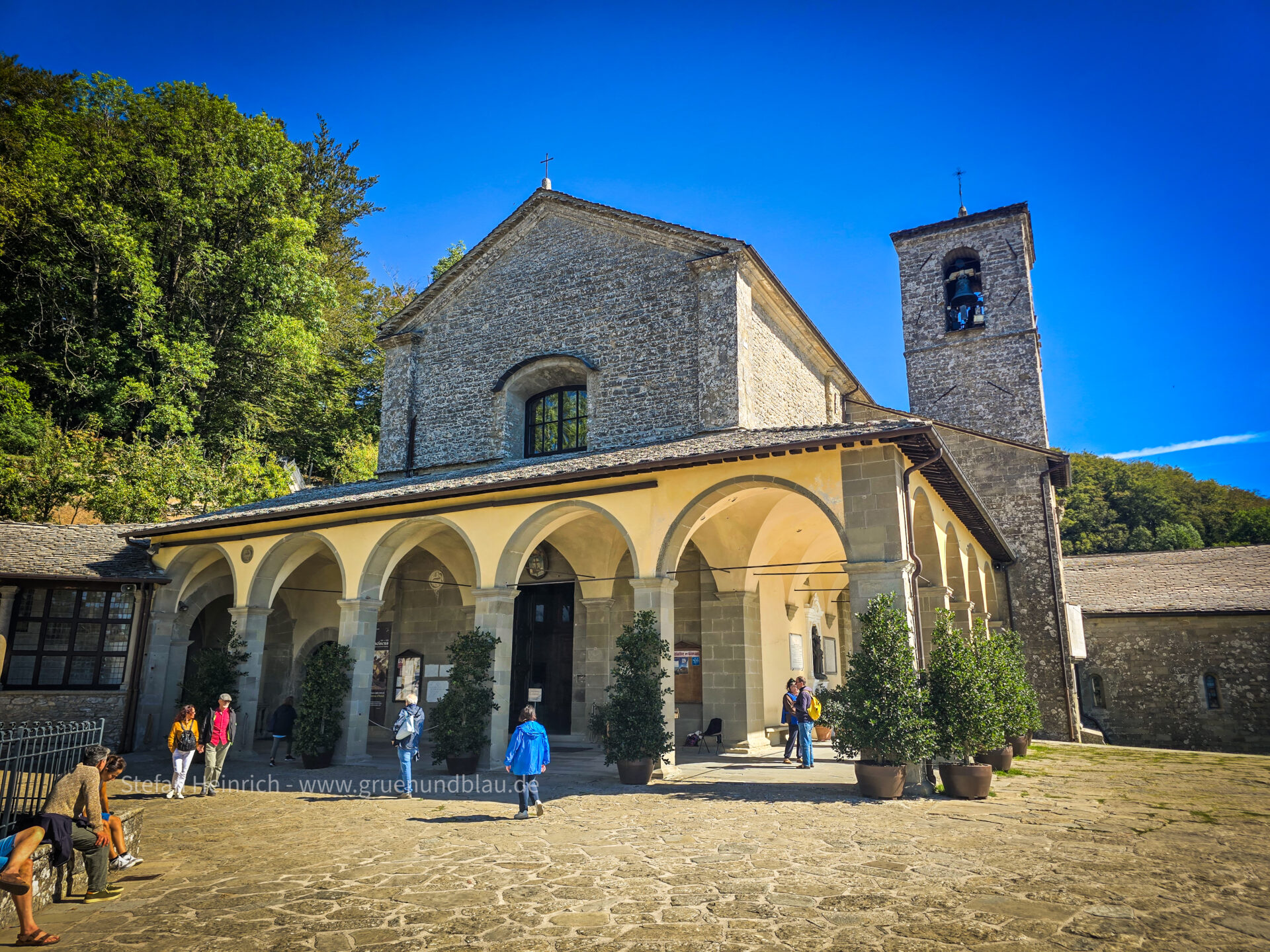
18 When Stones Turn Soft and Angels Grow Wings: The Spectacle of La Verna All I was really looking for was a quiet mountain hike—a few winding trails, fresh forest air, and some peace and quiet. Yet, as if drawn by some strange magnetism, my van eventually rolled into the parking lot of the Santuario della Verna. It wasn’t until the first busloads of tourists and pilgrims came streaming past me that it dawned on me: this place is no hidden gem. I apparently have an uncanny talent for landing right in the epicenters of global relic worship. High up on the rugged cliffs of the Casentino, you encounter the perfect symbiosis of untouched nature and meticulously crafted legend-making. What tour guides sell to reverent groups from all over the world with deadly serious expressions requires a fair amount of mental gymnastics from the modern mind. You have to break down the scenario: adults, having traveled thousands of miles, are told with a straight face that back in September 1224, Saint Francis was taking a peaceful stroll through these woods when a seraph—a six-winged angel—suddenly appeared in the sky. The result of this mystical encounter? Francis emerged with the stigmata, the exact same wounds as Jesus after the crucifixion. And if you thought that was the limit of the unbelievable, think again. The myth-making toolkit of La Verna has even bigger caliber stories in store. When the Devil himself tried to push Francis off a steep cliff in a fit of frustration, another miracle conveniently occurred: moments before impact, the hard sandstone liquefied like soft wax to catch the saint gently and safely. It’s no secret that tour guides love a bit of dramatic exaggeration—after all, tourism thrives on a good story. But the tale of the six-winged stigmata angel and the melting rocks definitely takes the cake. Standing among the ancient, majestic beech trees and looking down at the impressive rock chasms, you can’t help but ask yourself: where does genuine faith end and the well-oiled marketing machine of the Middle Ages—which still keeps the cash registers ringing today—begin? As absurd as these stories may seem at first glance, the fascination of this place is undeniable. It’s a compelling spectacle of the human longing for the supernatural. But don’t be too quick to crown La Verna’s stigmata as the peak of the absurd. Keep an eye out for my next post! There is actually a whole new level to this. Soon, I’ll tell you about my encounter with a surprisingly young saint, making these ancient myths look like mere warm-up acts.
In the Shadow of the Castle: Dante’s Footsteps in Poppi
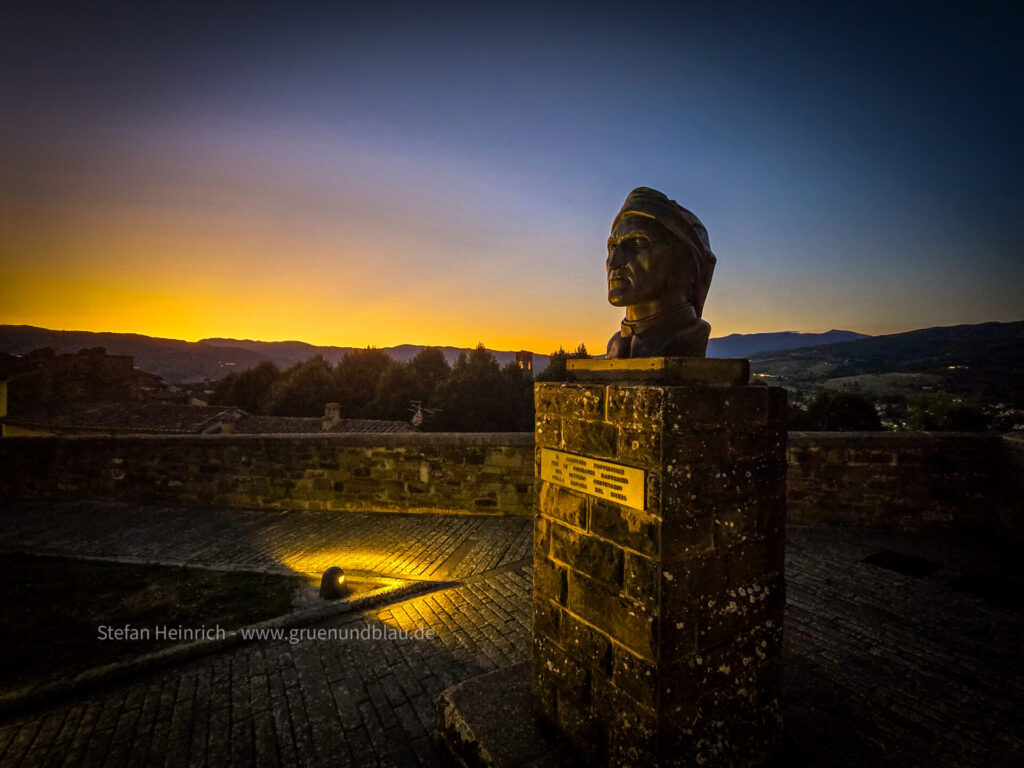
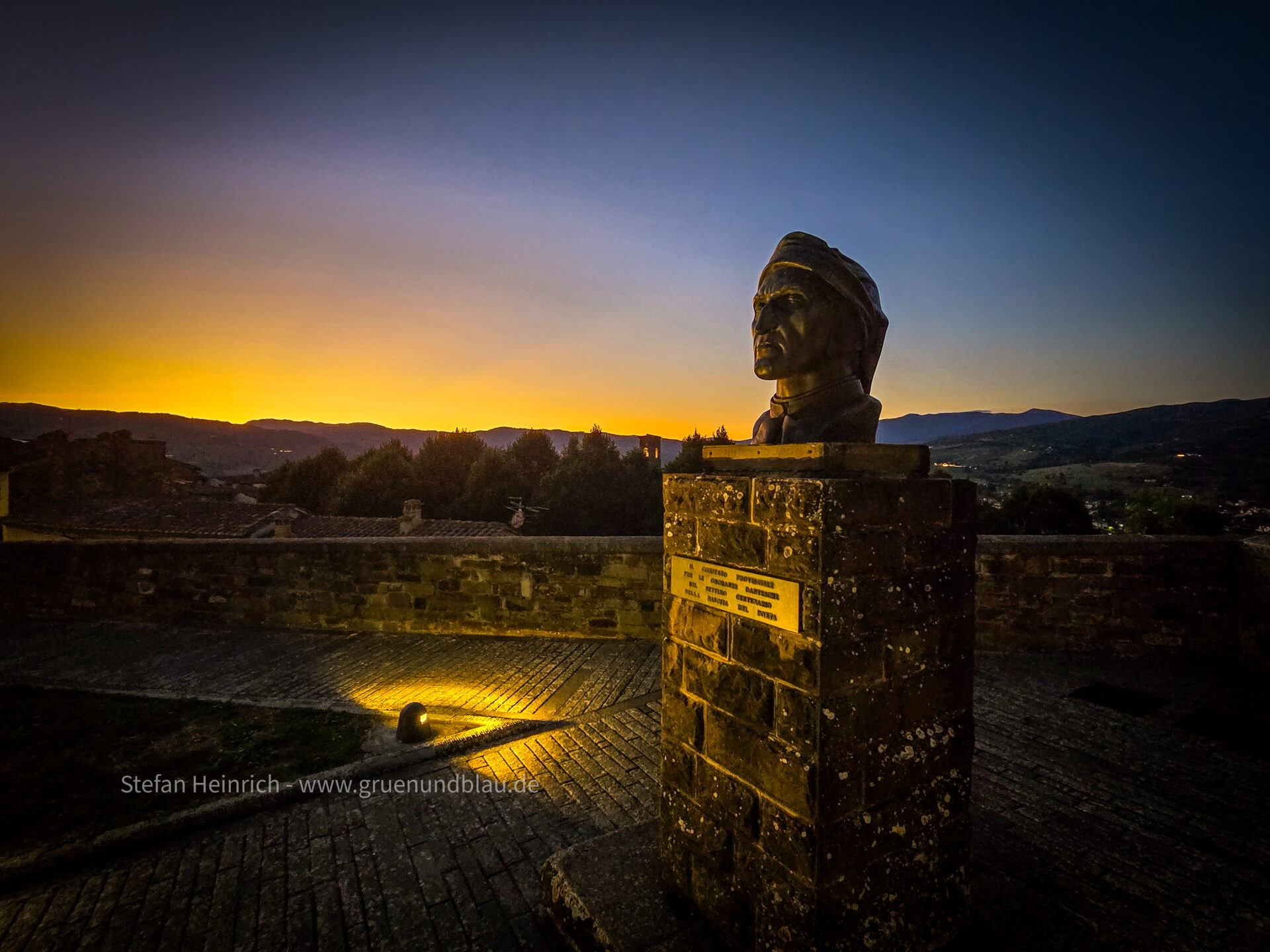
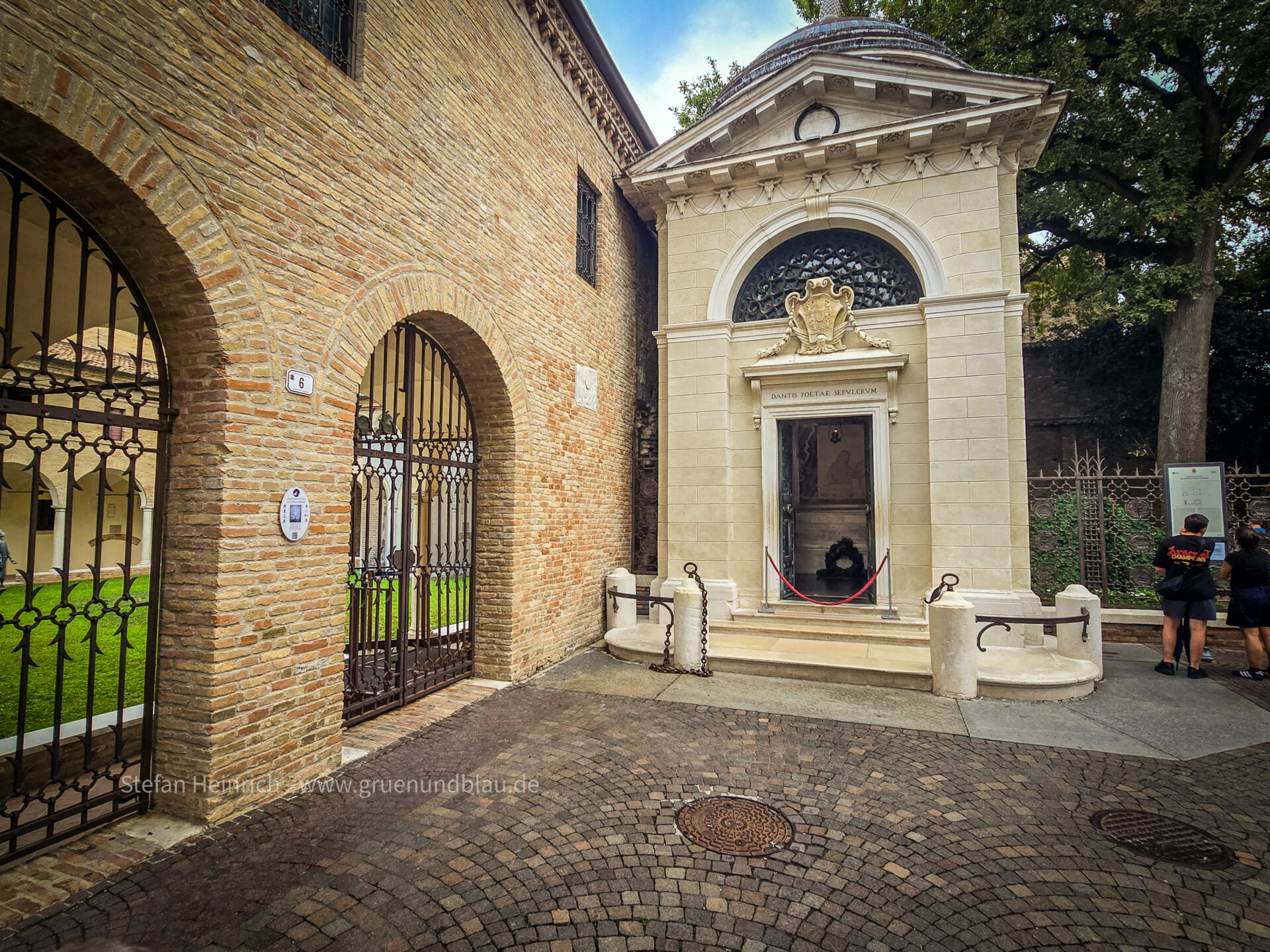
23 In the Shadow of the Castle: Dante’s Footsteps in Poppi After a wonderful hike through the autumn mountain forests of Tuscany, I drove my campervan down to Poppi. The parking area at the foot of the hill—complete with service facilities—was pleasantly quiet; apart from a few decommissioned RVs, I had the space all to myself. As dusk bathed the valley in soft golden light, I made my way up into the historic old town. Even from afar, the imposing silhouette of a mighty castle rose unyieldingly into the sky, drawing me in like a magnet. Reaching the castle square, I suddenly found myself gazing into the proud, stone face of a bust: Dante Alighieri, Italy’s greatest poet. Dante’s connection to Poppi is etched deeply in both blood and poetry. In June 1289, as a young cavalry soldier from Florence, he fought on the plain of Campaldino, right outside the gates of Poppi. The battle between the Florentine Guelphs and the Ghibellines from Arezzo turned into a ruthless slaughter, with hundreds of warriors losing their lives in the mud. The horrific sight left such a lasting mark on the young poet that he later wove the horrors of that day directly into the dark depths of his Divine Comedy. Years later, Dante returned—this time not as a soldier, but as an exile. Banned from Florence, he found refuge in 1310 at the formidable Castello dei Conti Guidi under Count Guido di Battifolle. Legend has it that the exiled poet locked himself in one of the highest tower rooms, gazing out over the rugged forests of the Casentino, and penned the famous 33rd Canto of the Inferno. Furthermore, within the castle corridors, he learned the tragic tale of Mastro Adamo, a counterfeiter who was burned alive on the nearby hills for forging gold coins. Dante immortalized him as well in the depths of hell. Standing in the shadow of the illuminated castle walls that evening, I could faintly feel the poet’s spirit lingering in the cool night air.
Monks, Mosquitoes, and the Heavenly Ladder: A Retreat into Camaldoli
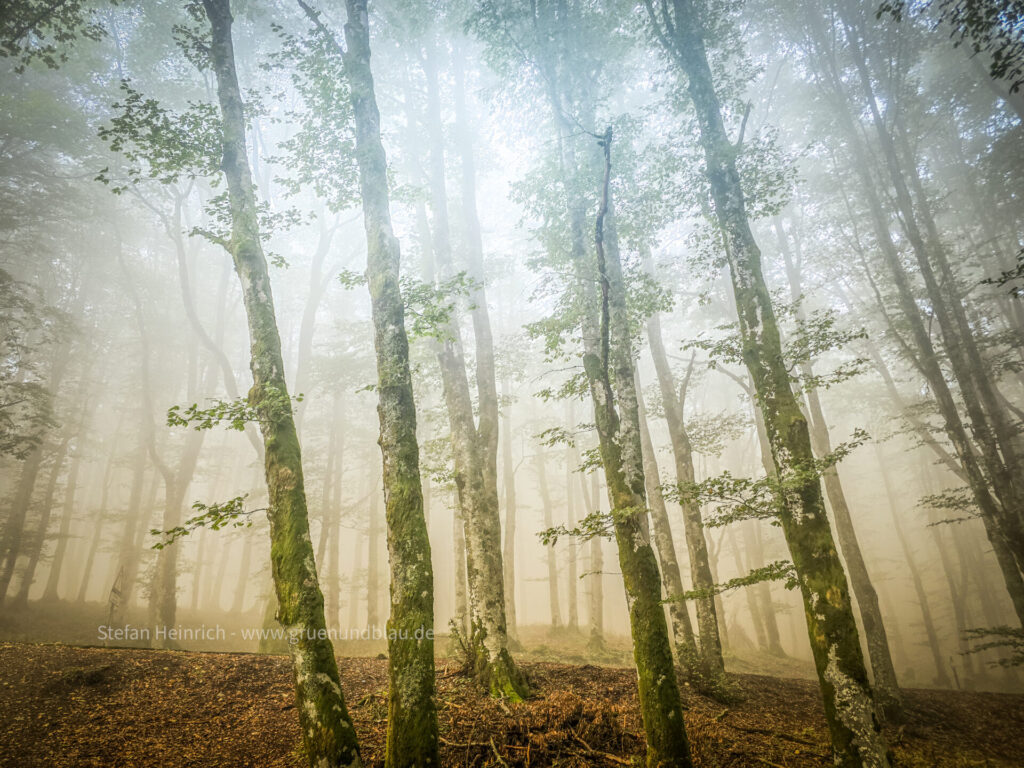
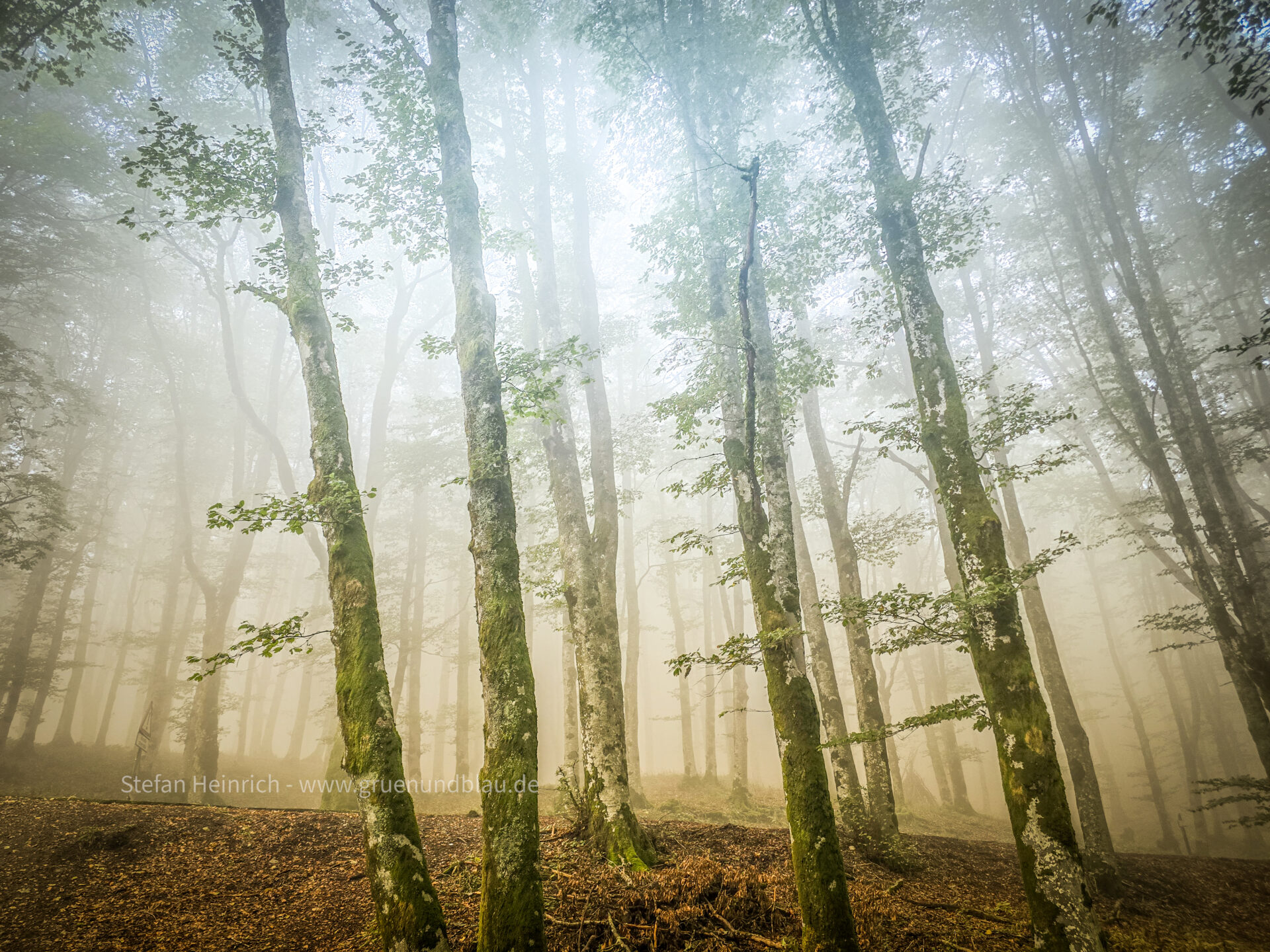
21 Monks, Mosquitoes, and the Heavenly Ladder: A Retreat into Camaldoli The narrow, steep mountain road wound turn after turn through dense forests, climbing up to the Sacro Eremo di Camaldoli. I needed this escape. After all the hustle and bustle of the cities, the constant drone of voices, and the crowds of tourists, my brain was craving the absolute silence of a hermitage. But upon arrival, disappointment struck: the courtyard was buzzing with day-trippers. So I laced up my hiking boots and fled straight into the solitude of the mountains. The forest greeted me with cool, damp autumn air. A carpet of wet leaves muffled every step, while a swarm of ravenous mosquitoes pursued me relentlessly. Yet, the atmosphere captivated me instantly: the towering firs and ancient beech trees, with their moss-covered, twisted trunks, looked strangely ghostly—as if guarding ancient secrets. I couldn’t get enough of the bizarre silhouettes standing like phantoms in the damp mist. Eventually, I found a mossy stone off the beaten path. I sat down to catch my breath and pulled out my notebook to read the story of this mystical place. In the year 1012, Saint Romuald retreated into these wild woods. Legend has it that a local count named Maldolo had a vision: he saw monks clad in snow-white robes ascending a dazzling ladder straight into heaven—on the very clearing of his estate. Moved by this vision, Count Maldolo gifted the mountain to the hermit (Ca’ Maldoli—the House of Maldolo). Romuald went on to build five tiny, strictly separated cells where the monks lived in absolute silence. I looked up. The rustling of the branches above suddenly sounded like the whispers of those ancient hermits, and the foggy forest seemed to swallow the centuries in the blink of an eye.