



The Oracle at the Vegetable Stand: How the Downpour in Comacchio Taught Me About the Ghost Ship of Spina

The Oracle at the Vegetable Stand: How the Downpour in Comacchio Taught Me About the Ghost Ship of Spina Originally, I just wanted to skirt past Comacchio, keep the camper strictly on course, and move on. But then, out of the corner of my eye, a channel flashed by: mirror-still water lined with colorful rows of houses, spanned by an imposing, masonry arched bridge. I yanked the steering wheel around, headed for the nearest parking spot, and swung into the saddle to explore this smaller, quieter Venice of Emilia-Romagna. I had barely rolled a few hundred yards along the bank when the sky opened its floodgates without warning. It didn’t just rain—it poured in buckets. Searching for shelter, I darted beneath the protective canvas awning of a small, colorful vegetable stand right on the canal bank. Standing opposite me was an energetic, middle-aged Italian woman, calmly shifting her crates of tomatoes out of the wet. I wiped the rainwater from my face, looked at her with a wry smile, and grinned: “So, this is the famous Italian weather! Always sunshine, blue skies, and hot days, right? And instead, it’s pouring cats and dogs!” The woman paused, looked at me, and burst into a hearty, deep laugh. “Ah, my dear!” she called out, waving her hand dismissively. “Rain is nothing! The weather here in the lagoons can get much nastier, much darker, and much spookier. When la nebbia—our infamous fog—sweeps over the Po Delta in late autumn, you can’t see the hand in front of your face. Even the most seasoned fisherman gets lost in the labyrinth of canals. But you know what? It’s precisely a fog like that to which we owe our most famous story!” She rested both hands on a crate full of oranges, leaned toward me, and began to tell her tale with twinkling eyes: “Many hundreds of years ago, back in the 4th century, our Saint Cassian passed away. His faithful followers loaded his body onto a simple wooden boat to bring him across the canals to us in Comacchio. But right out on the water, a wall of fog rolled in, so thick and black that even the oldest men of the lagoon had never seen anything like it. The rowers completely lost their bearings. They drifted helplessly in circles while the marsh and mud of the ancient, sunken Etruscan city of Spina seemed to reach out for them. They thought their final hour had struck. Then, suddenly, a miracle happened: out of the white darkness emerged a massive ship. It was not burning, yet it glowed from within with an unearthly, golden light. Not a single sound could be heard—no creaking of planks, no splashing of waves. And on the deck stood not a single sailor! This flaming ghost ship of Spina hovered silently like a guardian angel ahead of the small boat. Its bright light carved a shimmering path through the thickest fog, safely guiding the men bearing the saint’s relics all the way to the shores of Comacchio. No sooner had they tied up their boat than the glowing ship vanished into thin air.” The vegetable lady smiled mischievously and patted the crate in front of her. “So next time you’re stuck in the fog here, don’t look for signs—keep an eye out for the glowing light!” At that exact moment, just as she finished her story, the next little miracle occurred: the downpour stopped abruptly. The clouds parted, and the sun bathed the rain-splattered bricks of the bridge in a warm, golden light. I thanked her politely for the wonderful story, bought a net of juicy oranges as a small token of appreciation, and swung back onto my bike. So the downpour had its good side after all—a dry spot, fresh Vitamin C, and a fantastic new legend for my logbook!
The Secret of Titanium and Puppy’s Doghouse: When a Folding Bike Explains the Guggenheim
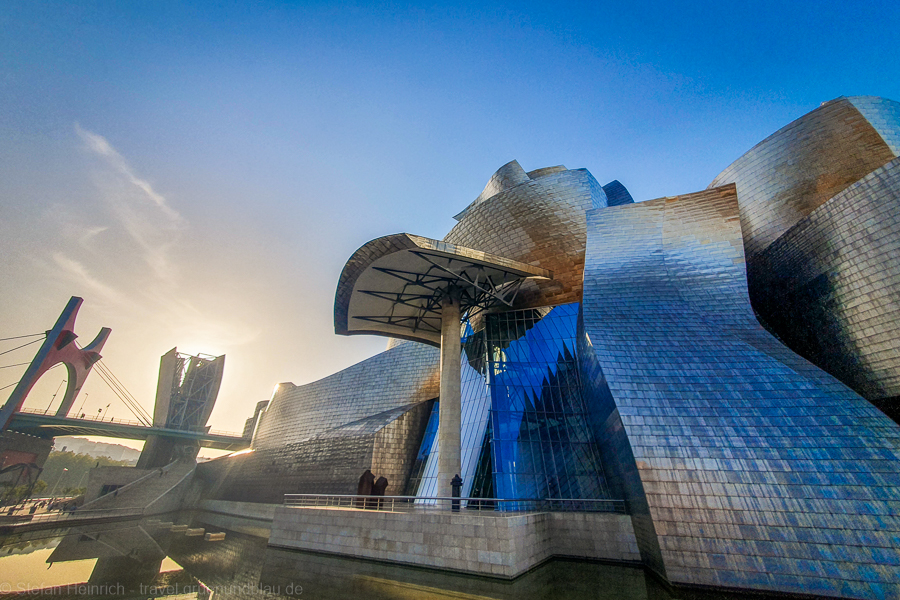
The Secret of Titanium and Puppy’s Doghouse: When a Folding Bike Explains the Guggenheim There are days when, as a full-time vanlifer, you feel like the undisputed king of the road. My morning in Bilbao was precisely one of those moments. I rolled into the city in my camper shortly after nine o’clock and rubbed my eyes in disbelief. Where was the infamous Spanish rush? Where was the usual bumper-to-bumper traffic, the honking chaos, the Southern hustle and bustle of rush hour? None of it. The streets were practically deserted, with only a few scattered souls strolling through the alleyways. “Wonderful!” I thought. “Bilbao belongs entirely to me today.” My destination was, of course, the Guggenheim Museum—the city’s architectural sanctuary. I parked the camper, grabbed my trusty folding bike, Rocinante, and pedaled off. For a photographer like me, this building isn’t just a structure; it’s a visual feast. Those sweeping titanium panels! Those organic shapes gleaming in the morning light like the scales of a gigantic, sleeping silver dragon! I pulled out my camera and snapped photos from every conceivable angle: from below, from above, from a worm’s-eye perspective, with the river flowing in the background. Hours flew by. Very gradually, a few more people trickled onto the plaza, but for a world-famous monument, it remained surprisingly uncrowded by 11:00 AM. To easily explore the grand outdoor staircases, I decided to briefly park my ride. Rising above the plaza in front of the museum was “Puppy”—a twelve-meter-tall giant puppy covered top to bottom in colorful flowers, created by Jeff Koons. A truly charming little fellow. I chained Rocinante to a post right next to the giant floral dog and immersed myself for another hour in the world of titanium reflections. When I finally returned and reached for the lock, my folding bike cleared its throat. Yes, Rocinante talks sometimes. You spend a lot of time together as a full-time vanlifer. “You are going to take a picture of Puppy too, aren’t you?” Rocinante asked in a tone that sounded suspiciously like subtle lecturing. I paused while unlocking and blinked. Normally, my bike stays strictly out of my photographic decisions. As long as I oil the chain and don’t slam it over curbs, it’s perfectly content. “Uh… sure,” I replied obediently, grabbed my camera, and dutifully took a few snapshots of the giant floral pup. Then I swung into the saddle, and we set off again. Hardly had the small wheels started rolling over the pavement when Rocinante chimed in: “Do you actually know what you’ve been photographing for hours?” “Well, obviously,” I said proudly, trotting out my amateur art history knowledge. “The Guggenheim Museum Bilbao! Designed by star architect Frank Gehry, completed in 1997. A masterpiece of deconstructivism consisting of 33,000 razor-thin titanium plates that saved the city from economic decline. A world-famous landmark!” Rocinante sighed audibly through the handlebars. “Oh, you naive shutterbug. What do you mean ‘grand landmark’? What do you mean ‘museum’? It’s a hut. A nice hut, mind you, but just a hut nonetheless.” I hit the brakes so abruptly that the coaster brake gave a soft squeal. “What do you mean, a hut?! It’s a modern icon!” “You parked me right next to Puppy for an hour,” my folding bike replied with complete conviction. “And we talked. He told me the whole truth. Back then, the people in city hall were trying to figure out how to properly house the greatest, most colorful, and best-behaved dog in the world. And since Puppy is a world-class dog, they built him a shelter out of the finest metal to keep a bit of rain off him. All the tourists actually come here just to see him! But because they’re embarrassed to admit they sat on a plane for hours just to pet a twelve-meter-tall flower puppy, they dutifully go into his doghouse afterward and pretend to care about modern art.” I stared down at my folding bike. “A 100-million-dollar titanium doghouse?” “From Puppy’s perspective, entirely appropriate,” Rocinante purred. “He even let slip that the roof is curved like that so the rain drains better when he sleeps under it. And the titanium? Reflects the sun so his flowers don’t wilt. Logical, isn’t it?” I couldn’t help but laugh. The idea that Frank Gehry’s true assignment was simply to design the most luxurious doghouse in human history had an undeniable poetry to it. It wasn’t until late afternoon, back at the camper after stowing Rocinante in the rear and sitting down at the dining table with a cup of coffee, that my eyes caught my travel calendar on the wall. I stared at the red date. October 12th. It hit me like a flash. It hadn’t been my brilliant timing strategy that made the streets so wonderfully empty in the morning. Nor was it because all the Spaniards were packed inside the Guggenheim. It was the Fiesta Nacional de España—the Spanish National Day! Half the nation was still comfortably tucked in bed or celebrating with family while I had been strolling through a deserted city. I leant back, chuckled, and looked back toward the folding bike. Sometimes a national holiday lets you enjoy a city all to yourself—but the truly great secrets of architecture are still best learned from a colorful flower dog and a precocious folding bike.
The Dance with the Giants: The Legend of San Fermín and the Origin of the Running of the Bulls
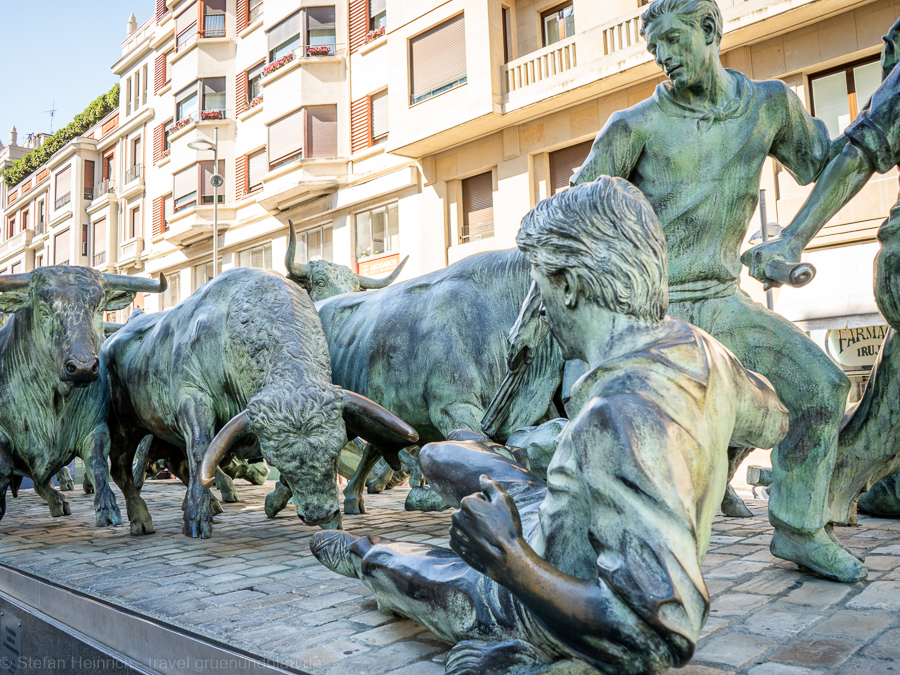
The Dance with the Giants: The Legend of San Fermín and the Origin of the Running of the Bulls The sun burned mercilessly down on the ochre-colored roofs of Pamplona as dust on the market square was kicked up by hundreds of excited footsteps. Anyone looking through the narrow, shaded alleyways of the old town today will see souvenir shops, bustling tapas bars, and white facades adorned with red balconies. Yet the foundation of this city rests upon the deep, faded tracks of legends that are centuries old. And none of these stories is more tightly interwoven with the city’s soul than that of San Fermín and the origin of the world-famous running of the bulls. The year is the 3rd century AD. Pamplona, known back then by its Latin name Pompelo, was a proud Roman outpost at the foot of the Pyrenees. Fermín was born into this bustling world shaped by pagan rites. As the son of a high-ranking Roman official, he enjoyed an impeccable education and, to this day, holds a reputation as a man of extraordinary intellect and deep compassion. It was an encounter with a wandering preacher named Honestus that changed young Fermín’s life forever. Fascinated by the message of charity and peaceful coexistence, Fermín renounced the privileges of his noble birth. He was baptized and dedicated his entire life to bringing hope to the people and building bridges between the hostile cultures of that era. Fermín’s reputation as an eloquent, fearless defender of the weak preceded him. He traveled far beyond the Pyrenees into what is present-day France. Wherever he went, he managed to unite people through sheer power of persuasion and charisma. But power and influence breed envy. The rulers of that time viewed his ever-growing esteem as a threat to their own authority. According to ancient lore, it was this conflict with the ruling class that ultimately led to his dramatic end. Fermín was arrested and thrown into a dungeon. Legend has it that they attempted to break his indomitable spirit by tying him to the chariot of enraged, untamed bulls and dragging him through the streets. Yet the legend took an unexpected turn: the mighty animals, originally intended as instruments of terror, sensed the man’s profound inner peace. Instead of crushing him, they trotted majestically by his side through the city gates, as if aware of the dignity of the moment. Fermín eventually passed away in the solitude of his cell, but from that day on, his myth was immortal. He was declared the patron saint of Pamplona—a symbol of resilience, courage, and the ability to appease even the wilder forces of nature. So how did the commemoration of a peaceful patron saint evolve into the world-famous spectacle of the encierros we know today? The answer lies not in ancient manuscripts, but in the pure pragmatism of medieval daily life. Centuries after Fermín’s death, Pamplona had developed into a major trading hub. Once a year, cattle farmers from the surrounding villages and the slopes of the Pyrenees traveled to the city to sell their most powerful bulls at the central market. The challenge was deceptively simple, yet dangerous: how do you safely transport a dozen multi-ton, unpredictable animals from the pastures outside the city gates through the narrow, winding residential streets to the arena in the main square? The herders’ solution was as bold as it was effective. Early in the morning, while the streets were still quiet, they drove the animals through the alleys at a gallop using loud shouts, cracking whips, and the help of lead steers. This is where the spirited temperament of Pamplona’s citizens came into play. The young men of the city didn’t want to just stand by and watch the butchers and herders. Fueled by respect for the imposing beasts and driven by a desire to prove their bravery, they began running ahead of the charging bulls. It was no act of aggression, but a razor’s-edge dance: who could manage to stay just inches ahead of the giants’ horns without losing their footing on the slippery cobblestones? Very quickly, this daily spectacle of driving cattle merged with the summer festival held in honor of Saint Fermín. The townspeople viewed the daring run ahead of the bulls as a symbolic act: just as Fermín had once fearlessly faced the forces of nature and the perils of his time, the runners now confronted the unpredictability of the animals. To invoke the protection of the saint, a tradition was born that remains unbroken to this day: a few minutes before the gates of the bull corrals are opened, hundreds of runners gather in their traditional white attire. Holding rolled-up newspapers in their hands, they gaze up at the small statue of San Fermín set into a niche of the city wall and chant their three-part prayer for his protection in unison. The red neckerchief—the pañuelico—worn by every visitor during the festival week may recall the saint’s devotion through its color, but above all, it serves as a symbol of absolute equality: before the bulls and before the patron saint, all people are equal. The running of the bulls in Pamplona is therefore far more than just a nerve-wracking traditional sport. It is the living monument of a city that learned not to fight the raw force of nature, but to face it with respect, humility, and a generous dose of courage.
The Dragon of the Wutach Gorge: Why Change Is What Life Is Really About
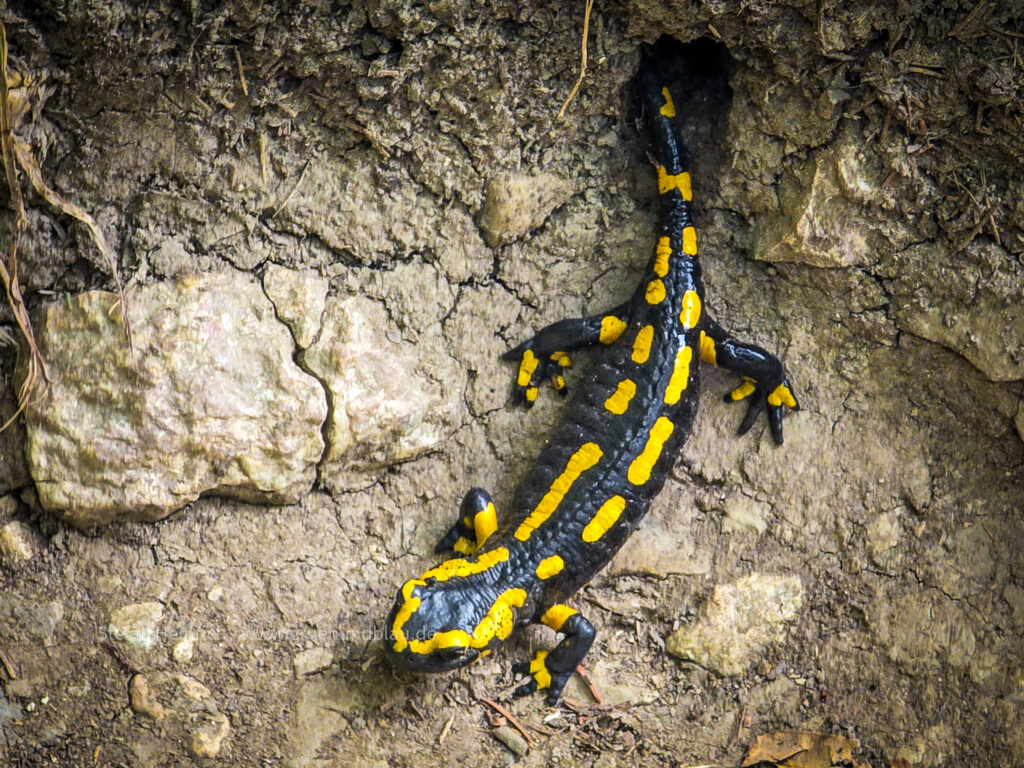
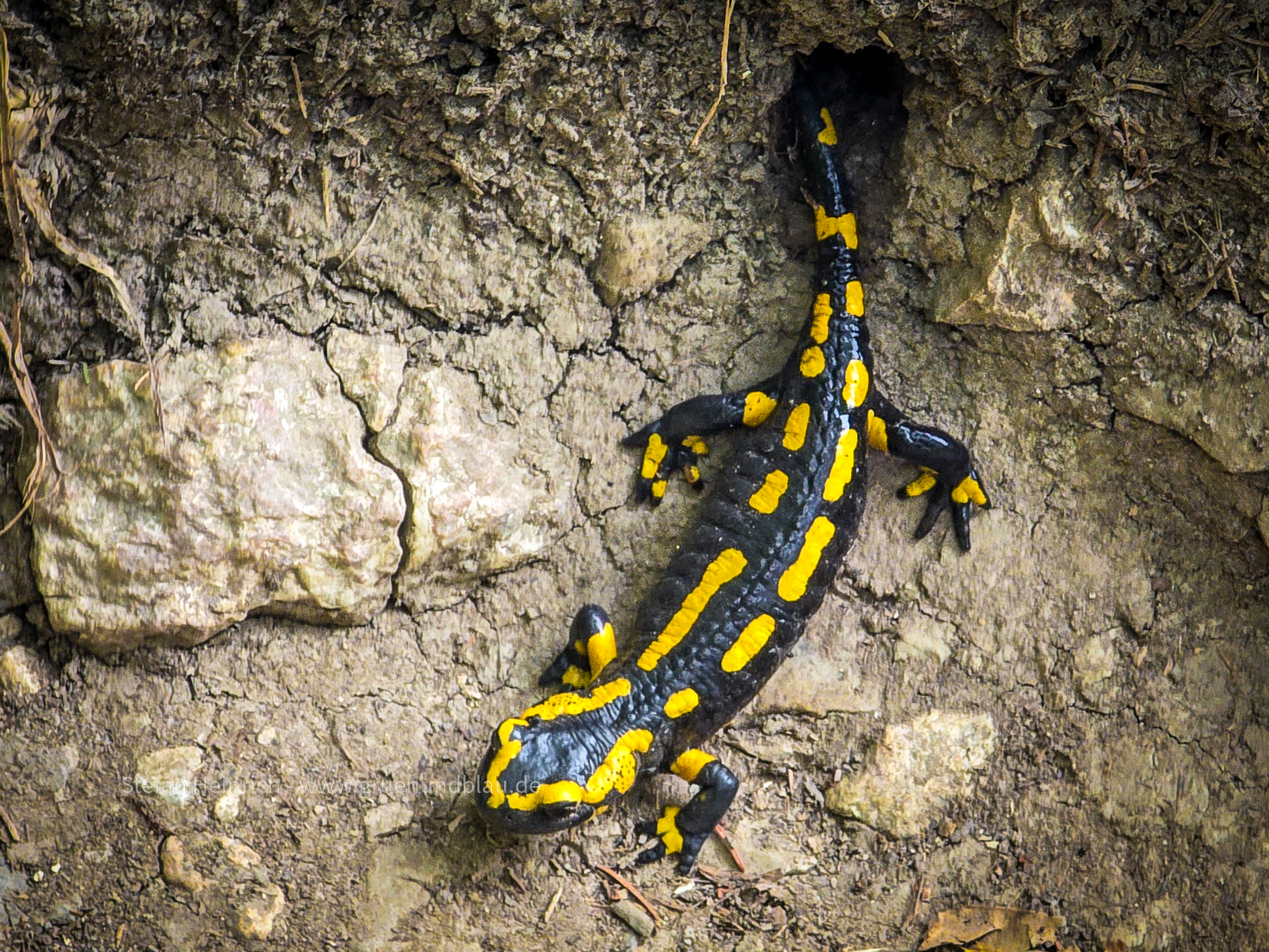
The Dragon of the Wutach Gorge: Why Change Is What Life Is Really About There are days when you plan a perfectly normal hike through the Black Forest. Sturdy boots, a packed lunch in your backpack, the usual dose of optimism. And then there are days when you stand deep in the damp thicket of the Wutach Gorge, arguing about the meaning of human existence with a hand-sized, yellow-and-black spotted relic from prehistoric times. On this day, the Wutach Gorge was showing its most stereotypical side: moss-covered rock faces, the constant rush of water, cool, slightly clammy air, and steps—countless steps made of damp wood and slippery stone. I was in the rhythm of a perfect hiking groove, devouring elevation meter by elevation meter, when my foot froze mid-air. There he sat, right on the edge of a wooden step. A fire salamander. Or rather: a pygmy dragon with terrible posture. He had the build of a slightly overstuffed bratwurst, gleamed like he’d been freshly varnished, and didn’t honor me with a single glance. I balanced on one leg to avoid sending the little creature to the kingdom come with my treaded soles, waved my trekking poles around for balance, and finally sat down on the step above him. “Hey, little fire dragon,” I said, slightly out of breath. “Aren’t you a bit worried I might just trip over you if you take a break right in the middle of the trail?” The little guy turned his head very, very slowly. If looks could kill, I would have turned to ash on the spot—and my performance fleece wouldn’t have helped me one bit. He blinked twice with the serenity of a creature that had already survived the Ice Age and really had no desire for small talk with a tourist. “I am not sitting on your trail,” he replied. His voice sounded like two cool pebbles being rubbed together underwater, seasoned with a healthy dose of grumpy local hostility. “I am sitting in front of my house. And if it weren’t so cursed cold out here and my limbs were a bit warmer, I would have been over the hills long ago. But right now, I just need a little longer. And with those spindly, endless legs of yours, I’m sure you can manage to walk around me, can’t you?” I couldn’t help but grin. An amphibian with an ego problem. “Yeah, yeah, fair enough,” I said to pacify the mini-dragon. “Don’t be so cranky. Since you’re stuck here anyway waiting to reach operating temperature, why don’t you tell me a bit about the Wutach Gorge instead?” The salamander snorted. A tiny wisp of mist escaped his snout—probably my imagination, but it suited his dragon persona. “That’s what you humans call it,” he said, shaking his head disapprovingly. “‘Wutach Gorge.’ To us, the river has no name. Why should it? It doesn’t listen when you call it anyway. My ancestors and I have been here forever. But the river was here before that. And the mountain, too. They play together. The exact same game, over and over again.” He paused briefly to execute a microscopically small climbing motion with one front paw, which advanced him approximately three millimeters. “The mountain blocks the river’s path,” he continued, “and the river stubbornly finds a new one. Then it digs and gnaws at the foot of the mountain until the mountain loses its patience and crashes a few tennis-court-sized boulders down into the riverbed. And bam—the whole thing starts all over again. It’s wonderful! Thanks to this constant change, a completely new landscape is created time after time. We never get bored here.” I raised my eyebrows. “Well,” I interjected, “that sounds romantic, but landslides just like that have caused houses to collapse here in the past. And flash floods have washed away bridges. We humans find that rather less than ideal.” The fire salamander made a sound that was unmistakably meant to be a laugh. It sounded like rustling dry leaves. “Oh, humans!” he exclaimed, looking up at the sky. “The two of them—the mountain and the river—simply love change. They probably even thought they were doing you a favor with all this dynamic energy! But you don’t like change, do you? You’re terrified of it! You build a wooden house on a landslide zone, give every tree, every stone, and every stream a name, and then claim with a straight face that the whole lot belongs to you!” He shook his head again, this time with genuine pity. “You ought to hear how that sounds from a bird’s-eye view. That’s just like that little green beetle over there claiming he owns the three-hundred-year-old oak tree he’s been crawling up since this morning!” He pointed his snout toward a tree root, where a small dung beetle was indeed busily making its way up. I scratched the back of my head. The little guy wasn’t entirely wrong. But I had to defend my species’ honor just a little bit. “Now hold on,” I said. “You wouldn’t want someone coming along and destroying your cave either, would you?” “Pfft!” the dragon scoffed, waving off the thought. “Then I’ll just build a new one! Change is part of life. Next time the river shifts direction and tears away the bank, there’ll be wonderful, soft earth right over there for me to dig perfect new tunnels into. It’s just you masterminds who don’t get it. Typical humans! With your giant plastic boots, you trample everything that isn’t hidden in the moss by the count of three, and you throw your garbage everywhere, too.” I raised my hands defensively. “Hey, hey! I don’t leave any garbage! You really have a terrible attitude today, you little fire dragon.” The salamander drew himself up as far as his short little legs allowed. He puffed out his chest, making his yellow warning stripes look even brighter. “You just be glad I’m not any bigger!” he threatened, glaring at me
The European Parliament and the Voice on the Route des Crêtes
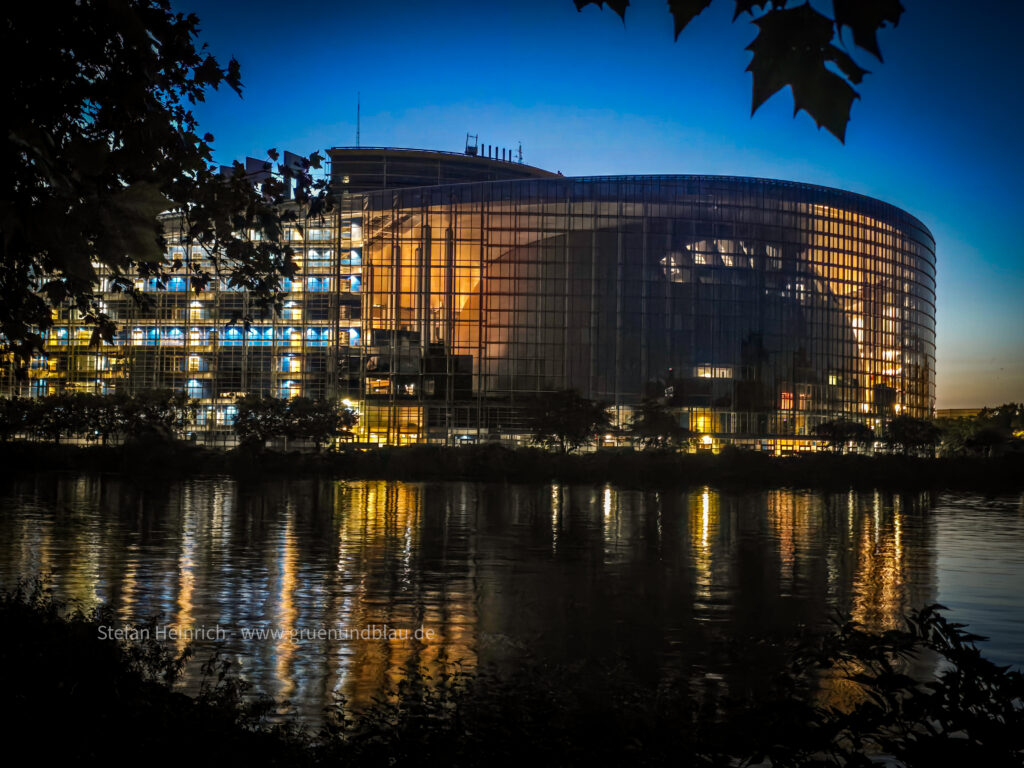
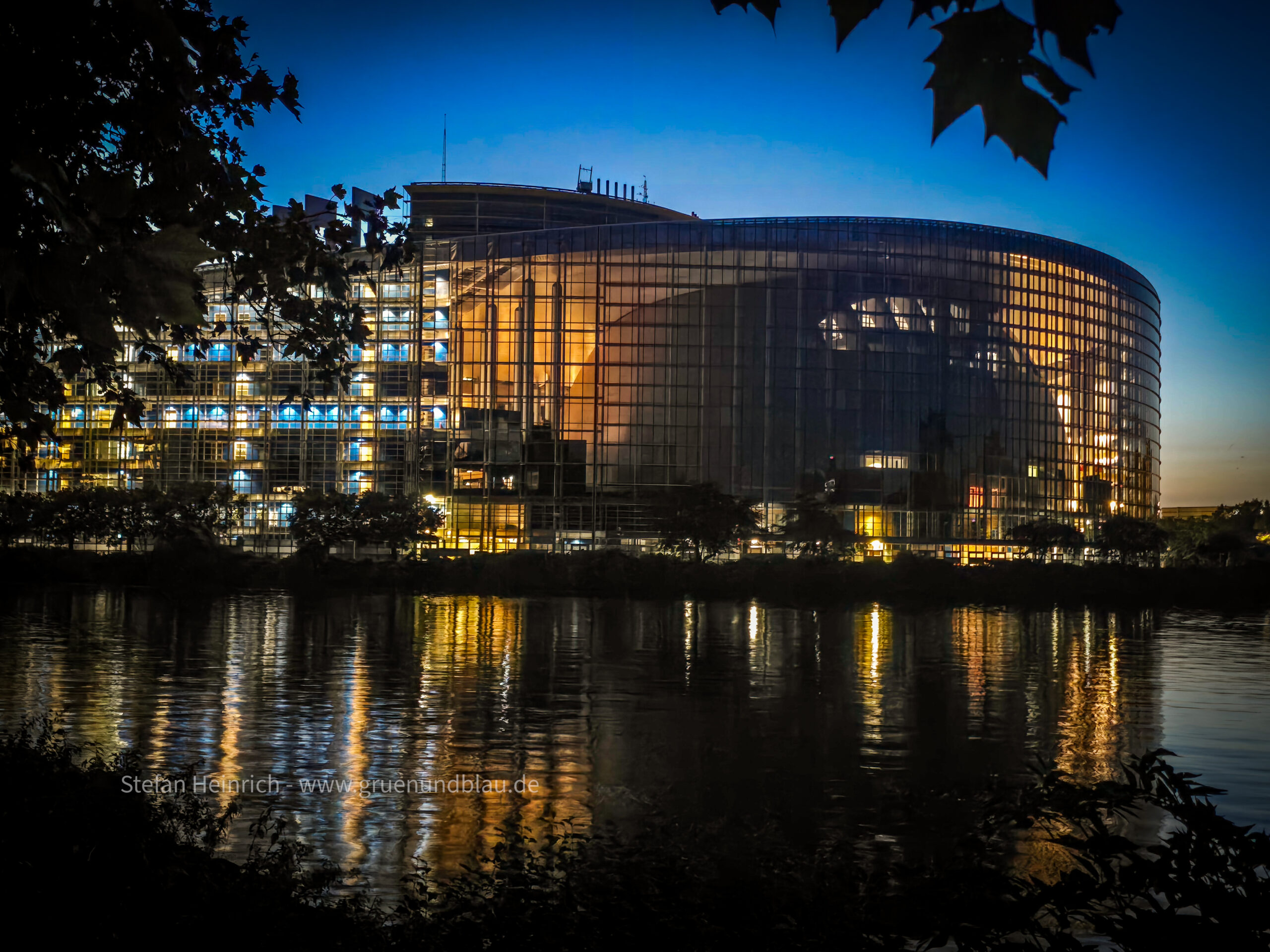
The European Parliament and the Voice on the Route des Crêtes The late afternoon bathed the rolling ridges of the Vosges in a warm, velvety light. I was traveling along the Route des Crêtes, the famous ridge road. I didn’t really have a set destination in mind—it was simply out of a deep longing to be in France, exploring the magnificent region of Grand Est. Anyone who loves Alsace knows this indescribable feeling of lightness. In my campervan, a converted postal bus, I rolled casually from one mountain crest to the next. Today, hundreds of tourists on motorcycles and bicycles were using this spectacular panoramic route to feel the freedom of nature. Yet the history of this road is dark: it was once carved into the rock by human hands for no other reason than to haul supplies and ammunition directly to the bloody front line during the Great War. Because I was driving the road purely for pleasure, I pulled over often to soak in the rugged beauty of the landscape. At a small, lonely parking area, I pulled my campervan to the edge. Directly beside a weathered stone wall stood a simple memorial erected for the soldiers who had fallen here. The cold wind sweeping over the mountain ridges brushed through the thick grass. I turned off the engine, stepped outside, and unpacked my simple lunch. Even though there wasn’t another soul to be seen for miles around, a strange goosebump suddenly washed over me. A voice—not loud, but penetrating like the rustling of the wind through the branches—seemed to come directly from the shadow of the monument. “Stranger!” whispered a voice behind me. “Tell me… what news is there out there?” I spun around. No one was there—only the endless view across the valleys. Yet the presence was tangible. “I hear hardly anything up here,” the voice continued softly. “Most people just drive past in a hurry. Scarcely anyone stops anymore whom I could ask for news of the world.” I swallowed hard, but quickly composed myself. “What… what would you like to know?” I replied quietly into the silence. “I don’t know much myself. I’m just a simple vanlifer. I travel through Europe, living my life as simply as possible, without baggage, without frills. What great things could I possibly tell you?” “You are a German, aren’t you?” asked the invisible companion. His voice sounded young—astonishingly young. “Well… I was born there, yes,” I answered hesitantly. “But most of the time I’m out traveling somewhere in Europe.” A long silence followed before the voice asked with deep unrest, “Did you drive us away from here? Or even wipe us out? Tell me!” I paused, taken aback. “What are you talking about?” “The wars!” he cried, and in the silence, there was suddenly the faint echo of cannon thunder. “Someone must have claimed victory over everyone else in the end! Who won? The Germans? The French? The English, Spaniards, or Belgians? Who kept the upper hand over the land?” A heavy stone settled onto my chest. Now I understood who I was speaking to—or what my thoughts were stumbling over. “If you stand here as a German…,” the voice whispered tremulously, “is this Germany again?” “No,” I said clearly and firmly. “This is France. This is Grand Est, and that is a good thing.” “But how can that be?” the fallen soldier asked in disbelief. “After the last great war, people learned that things could not go on like that,” I answered peacefully. “The countries of Europe have finally made peace.” A bitter laugh echoed from the rock. “They have made peace many times before! It never lasted long. There were always those who rose up thinking their own nation was more important than all the others. And the sacrifices of previous wars always had to be avenged, otherwise those men would have died in vain.” “That is precisely why they created something entirely new,” I replied, looking out at the shimmering silhouette of the landscape. “They decided to establish a joint European Parliament—a representative assembly that unites them all.” “The French… and the Germans together?” The voice sounded stunned. “Yes. And many other nations as well. Today, this European Parliament represents over 450 million people across 27 countries. Within its halls, 24 different languages are officially spoken.” “WHAT?” gasped the ghost of the soldier. “And… and something like that actually works?” “Most of the time, yes,” I chuckled softly. “Of course, there are often disagreements and debates. With 450 million people and 27 countries, that’s completely normal. But the most important foundation stands rock-solid: there are no more wars between us.” “There is no war at all anymore?” “In the wider world, unfortunately, there are still too many wars,” I admitted heavily. “But no longer among these 27 countries. We respect and honor the borders of our neighbors. We have dismantled the border gates, abolished tariffs, and withdrawn the soldiers from their posts. We travel in freedom, and many of us even use the same currency.” A long, deep exhale drifted through the wind. “That is… that is hard to believe. To simply cross borders like that? Without a passport? Without fear?” “Yes!” I said with emphasis. “I travel constantly in my camper through France, Grand Est, and many other regions. Down in Strasbourg, where the seat of the European Parliament is located, people today casually take the tram across the Rhine—from France into Germany and back again. French people work in Germany; Germans live in France. Young people study all over the continent, get to know each other, fall in love, marry, and build a shared future together.” It grew dead silent on the mountain pass. Then the voice returned, filled with an infinite sorrow. “But… if people could simply decide to live in peace… then my dying here in the mud was completely meaningless! We fought to avenge the victims of earlier wars…” I looked down at the memorial. The stones were silent.
The Guardian of the Zeller Horn
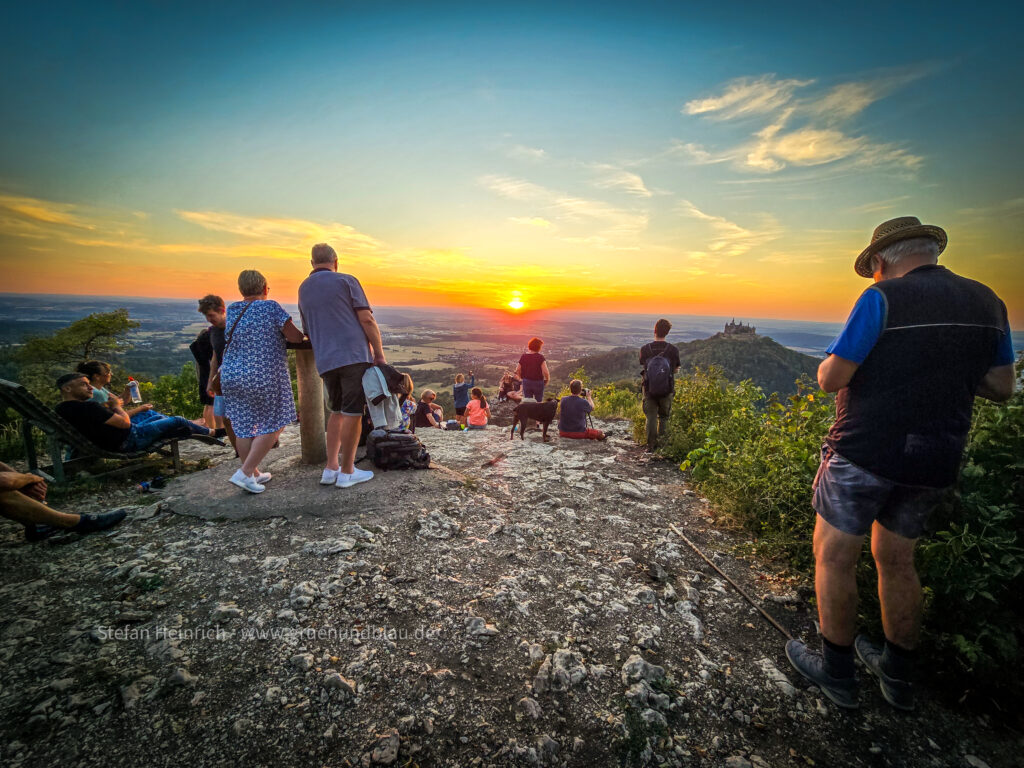
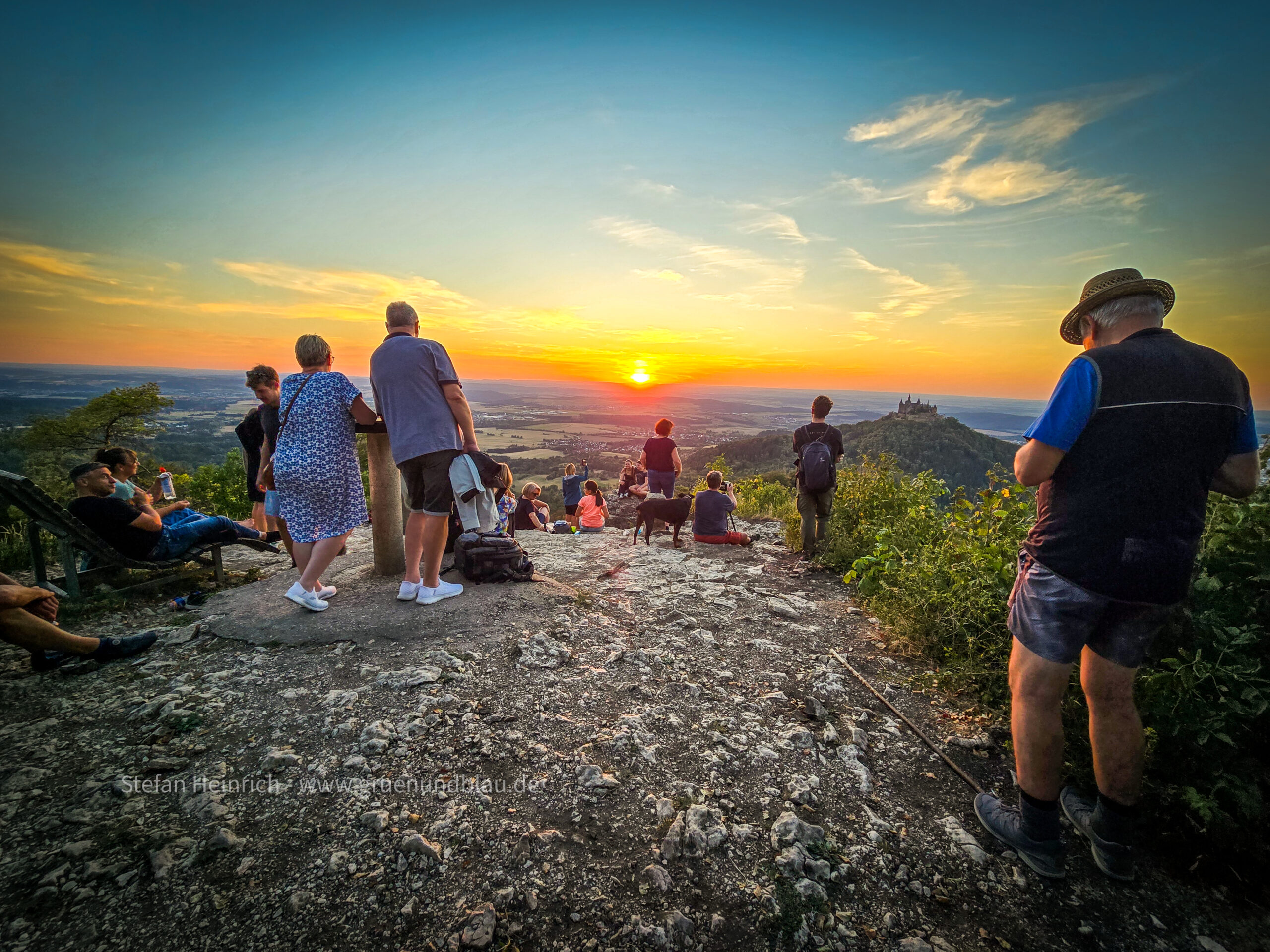
The Guardian of the Zeller Horn The evening sun cast long, golden shadows across the edge of the Swabian Alb as I reached my destination for the day. I was standing on the rocky outcrop of the Zeller Horn, one of those breathtaking viewpoints directly opposite Hohenzollern Castle. Far below lay the small town of Hechingen, gently nestling in a sea of green rolling hills, while across on the witness hill, the mighty fortress sat like a crown in the evening light. It was a magical place. A few weathered park benches invited visitors to set down their backpacks, stretch out their legs, and simply enjoy the moment. I was not the only one drawn by the spell of this hour: a few hikers were resting nearby, chatting softly in the grass, and a bit further along, a landscape photographer waited patiently with his dog. His tripod was already set up, the camera aimed precisely at the fiery silhouette of the castle. Everything felt peaceful, almost floating in the transition from day to night. I was just losing myself in the tranquil panorama when I heard footsteps in the leaves. The dry wood of a long walking stick snapped in the rhythm of a slow, yet surprisingly steady stride. Out of the shadows of the dense beech trees stepped an old man. His figure had something entirely timeless about it: he wore a wide-brimmed straw hat that kept his face almost completely in shadow, and he leaned on a gnarled wooden staff that was nearly as tall as he was. The man paused, adjusted his hat slightly backward, and gazed silently out across the wide country into the plains. Then he turned around, headed purposefully toward my bench, and stopped right in front of it. “May I join you?” he asked in a deep, slightly raspy voice. “Of course,” I replied, sliding over a bit. “There’s plenty of room.” The old man sat down slowly. He wrapped both hands around the knob of his giant wooden staff, rested his chin on his knuckles, and stared across at Hohenzollern Castle. “I’ll say just one thing, then I’ll be quiet, for I don’t wish to disturb anyone,” he began abruptly, without so much as looking over at me. “Today is another fantastic evening to gaze upon the castle.” I chuckled at the strange formality of his first sentence, but I was glad for the conversation. “That’s true,” I replied smoothly. “The visibility today is incredible. You can see endlessly far into the countryside.” The old man nodded deliberately, without changing his posture. “I’ll say just one thing to that, then I’ll be quiet again: you can look all the way from the great city of Stuttgart, where they built that modern television tower, over to Rottweil, where they recently put up that other, even taller tower.” His phrasing sounded wonderfully old-fashioned. I turned a bit more toward him. “I actually wanted to take a closer look at the castle over there today,” I shared openly. “But when I stood down at the gate, I was turned away. Fully reserved for a closed, private event.” The old man let out a soft, dry chuckle. “I’ll say just one more thing… They have to host such celebrations often. For they must pay for the castle. A thing like that is expensive. Very expensive.” “Who actually owns the estate today?” I inquired further. He stroked the worn wood of his walking stick with his wrinkled hand. “The walls you see over there aren’t very old at all. Perhaps a hundred and fifty years, or only a little more. The former lords of that steep mountain had moved away long ago, having lost interest. But a young man from the family eventually visited the area again while he was on his grand educational tour. He found the old castle there, which by then was nothing more than a romantic, overgrown ruin. And he decided on the spot to have it rebuilt.” “But surely not as a real, defensible castle anymore?” I chimed in. He shook his head slowly. The straw hat cast deep shadows over his face. “No. As a romantic dream castle. Some didn’t like that one bit.” I observed the old man’s profile closely while he spoke. There was a subtle, almost bitter sharpness in the way he emphasized his words. For a brief, bizarre moment, I didn’t get the impression that I was listening to someone interested in history, but rather to someone who had taken this reconstruction as a personal insult. “But today it’s wonderful to look at,” I tried to defend the magnificent scenery. “A real fairytale castle.” The man straightened up slightly. His knuckles turned white against the wooden staff. “I’ll say only one more thing, then I’ll be silent forever: they say there was once a watchman on the ruins of the old castle. He had fallen asleep on duty—weary from endless watches—and so failed to sound the alarm when the enemy approached in the cover of night. As punishment for his failure, he was condemned to guard the ruins for eternity. And believe me: he still takes his duty very seriously to this day.” I smiled, amused by this sudden detour into the realm of ghosts. “But then he could just as easily guard the new castle today! What’s the difference anyway? Surely ghosts aren’t that particular about architectural history,” I added with a wink. As the word “ghosts” fell, a strange shift came over the old man. He snapped his back straight so suddenly that the wood of the bench creaked softly. Instinctively, I turned my face fully toward him. He wasn’t looking at me. His gaze was fixed sharply on the dark battlements across on the Zeller mountain. “I’ll say just one more thing,” he said, and his voice suddenly sounded hard as granite. “The honorable soldiers of the old guard often cannot tell the difference… not between enemies who once came charging up the
The Laugh in the Deep Blue: The Enchanting Legend of the Beautiful Lau
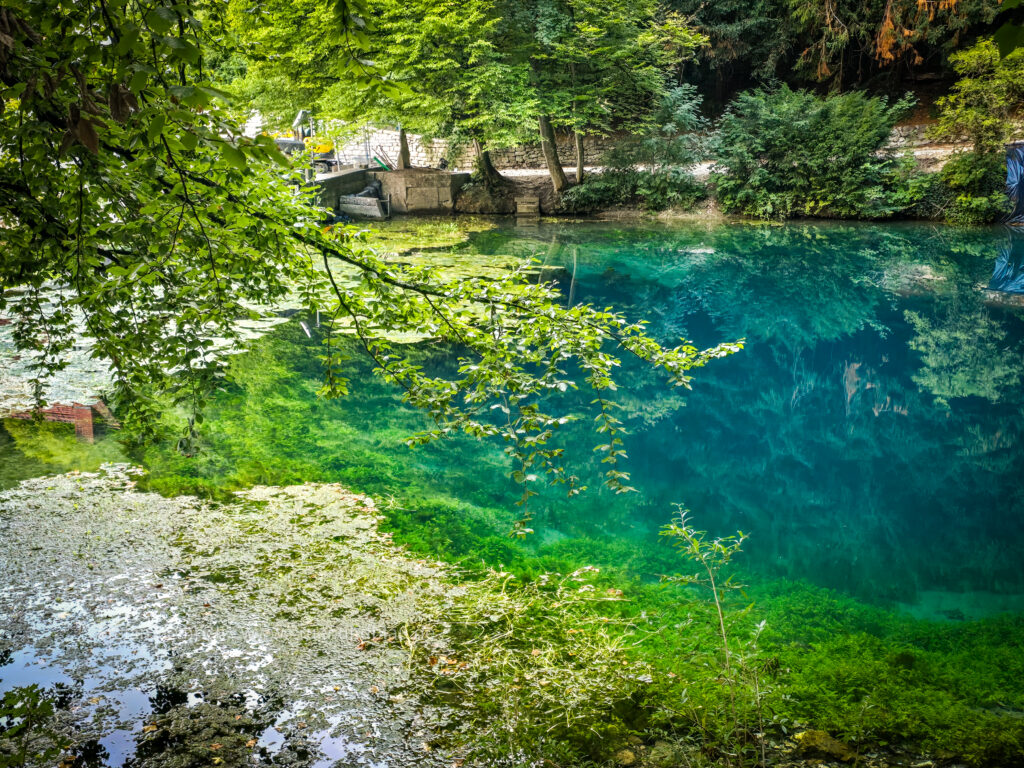
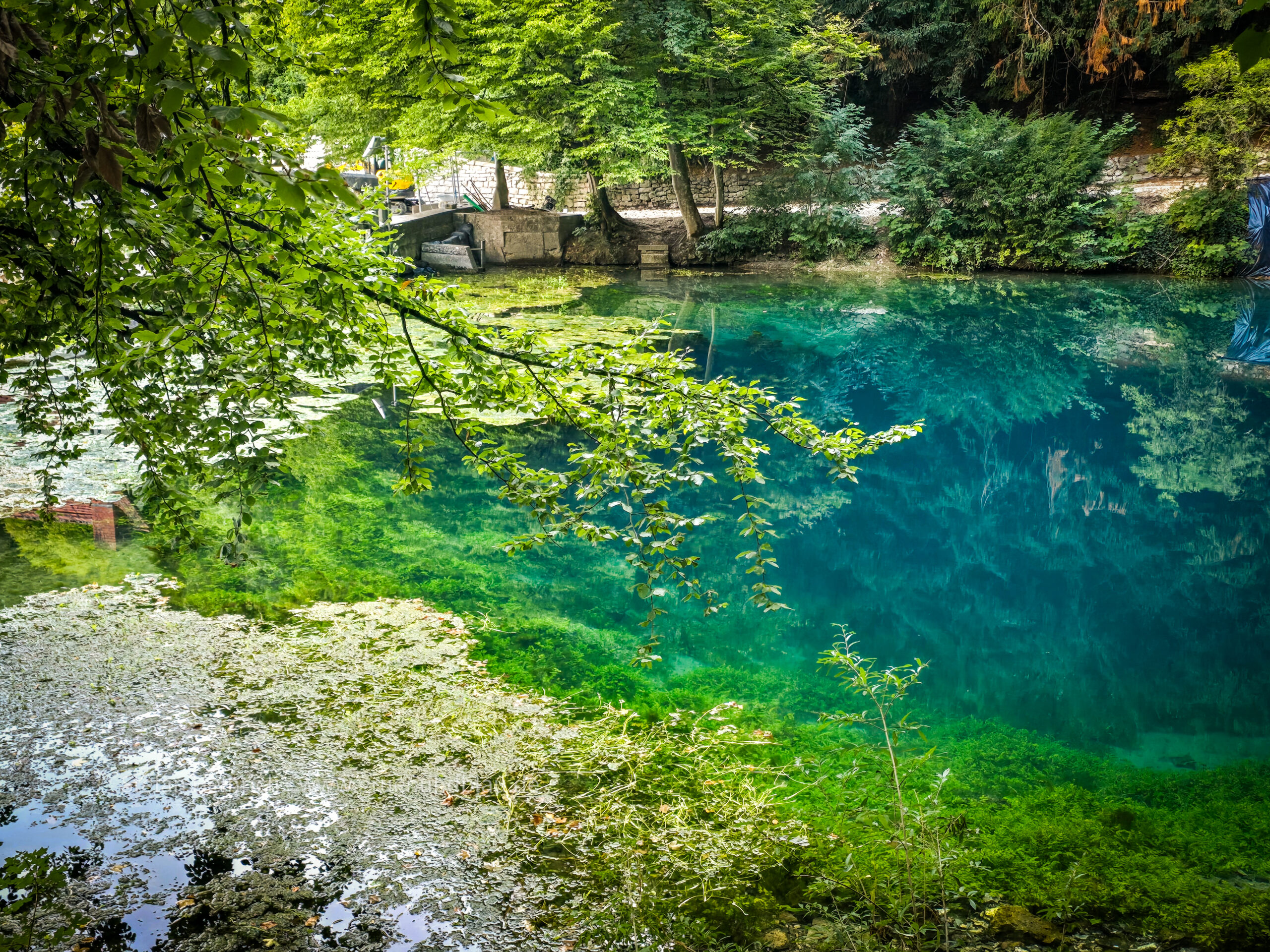
The Laugh in the Deep Blue: The Enchanting Legend of the Beautiful Lau Anyone traveling through the Swabian Jurassic Valley to Blaubeuren can hardly believe their eyes. At the foot of the Swabian Alb rocks sits the Blautopf—a karst spring whose water glows in such an incomprehensibly intense turquoise blue, it looks as though someone dumped a giant load of ink into it. Yet this shimmering blue has no chemical origin. It is the legacy of one of the most romantic, hilarious, and touching legends in Swabian history: The Tale of the Beautiful Lau! A Mermaid in Exile and a Royal Relationship Spat Deep in the Black Sea, a powerful Water King once ruled. His consort was the Beautiful Lau—a breath-takingly gorgeous mermaid with long, flowing hair and enchanting features. However, despite her breathtaking beauty, a dark shadow hung over her marriage. The Beautiful Lau was terribly melancholic, gave birth only to stillborn children, and had not laughed a single time in her entire life. No jokes, no smiles—not even a weary smirk. The Water King—driven to the brink of desperation—finally made a drastic decision. He banished his melancholic wife to the German hinterland, specifically into the bottomless Blautopf in the Swabian Alb. His parting words were crystal clear: “You shall only return to the Black Sea and bear me an heir once you have laughed five times from the bottom of your heart!” A Herculean task for a mermaid who had hitherto always been dead serious about everything. Luxury Living at the Bottom of the Blautopf Upon arriving at the Blautopf, the Lau made herself right at home at the bottom of the deep cave. Instead of wallowing in gloom, she built herself a palatial glass castle underwater, complete with carpets woven from the finest algae and walls made of sparkling rock crystal. Whenever the sunlight hit just right, she swam up to the surface and peeked curiously at the small town of Blaubeuren. The locals were scared out of their wits by the mysterious mermaid. Whenever someone tried to measure the depth of the Blautopf using a lead weight on a string, the Lau would snatch the cord, snip off the weight, and giggle (though not quite laughing out loud yet!) from below. Yet even the most beautiful underwater palace couldn’t cure her loneliness. The Beautiful Lau needed company—real, human company! The Innkeeper and a Swabian Crash Course in Humor Right next to the Blautopf stood the monastery tavern, run by the warm-hearted innkeeper, Betha. When the innkeeper sat by the shore washing vegetables one day, the pretty mermaid cautiously popped her head out of the water. What began as a fright quickly bloomed into a wonderful female friendship. Betha invited the Lau into her cozy parlor. However, since the mermaid didn’t have human legs but an elegant fish tail, she swam through the underground drainage pipe straight into the cauldron of the tavern kitchen! The innkeeper bought her new friend lovely dresses, fed her hearty Swabian Maultaschen (stuffed pasta dumplings), and tried desperately to cheer up the sad water lady. Laugh No. 1: When the innkeeper put a colorful corset on the mermaid, and the Lau saw herself in the mirror looking absurd as a half-fish in traditional Swabian attire, she let out her first snicker. The water in the Blautopf immediately turned a bright, joyful azure! Laughs No. 2 & 3: Watching the locals perform traditional folk dances and listening to the tavern maid’s endless banter coaxed the next chuckles out of her throat. Laugh No. 4: When the innkeeper stumbled after a few cups of wine and sailed in a high arc into the flour bin—stack of wooden plates in hand—the Lau bent over laughing. The Redeeming Fifth Laugh Only one final laugh was needed for her freedom! Destiny struck when the innkeeper’s young son was playing by the shore and accidentally dropped his wooden spinning top into the deepest water. He burst into bitter tears. The Lau surfaced, retrieved the top from the depths, and made the toy dance wildly across the water’s surface. The boy clapped his hands in delight, made a silly leap of joy, and tumbled backward into the soft moss. And then it happened: The Beautiful Lau clapped her hands over her face and burst into a liberating, bell-clear, and genuine laugh that echoed through the entire valley! The spell was broken. The Happy Ending in the Black Sea The Beautiful Lau bade a tearful, grateful farewell to the innkeeper and the people of Blaubeuren. As a token of her gratitude, she left behind precious treasures from her palace before slipping back through the deep cave tunnels toward the Black Sea. There, she embraced her Water King, soon bore him healthy heirs, and never forgot how to laugh again. When you stand by the Blautopf today and see the water glowing so magically, you’ll know for sure: It is the memory of the most beautiful laugh in the Swabian Alb!
From Magical Beings to Anarchy: The Fascinating History of the Freetown Christiania
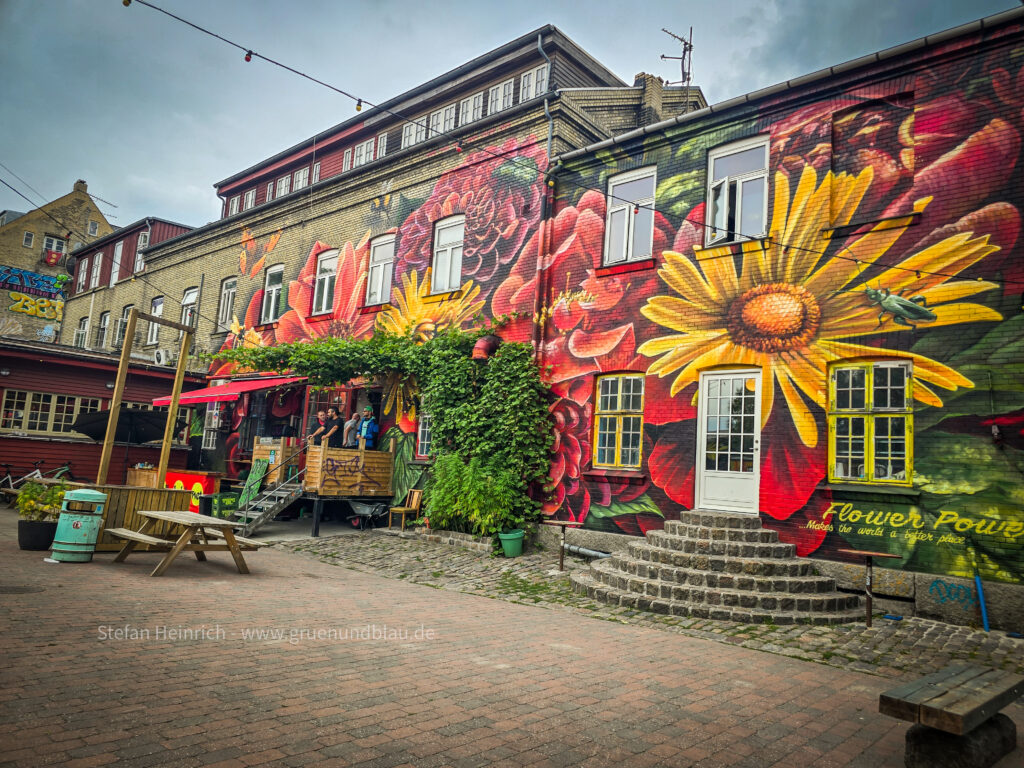
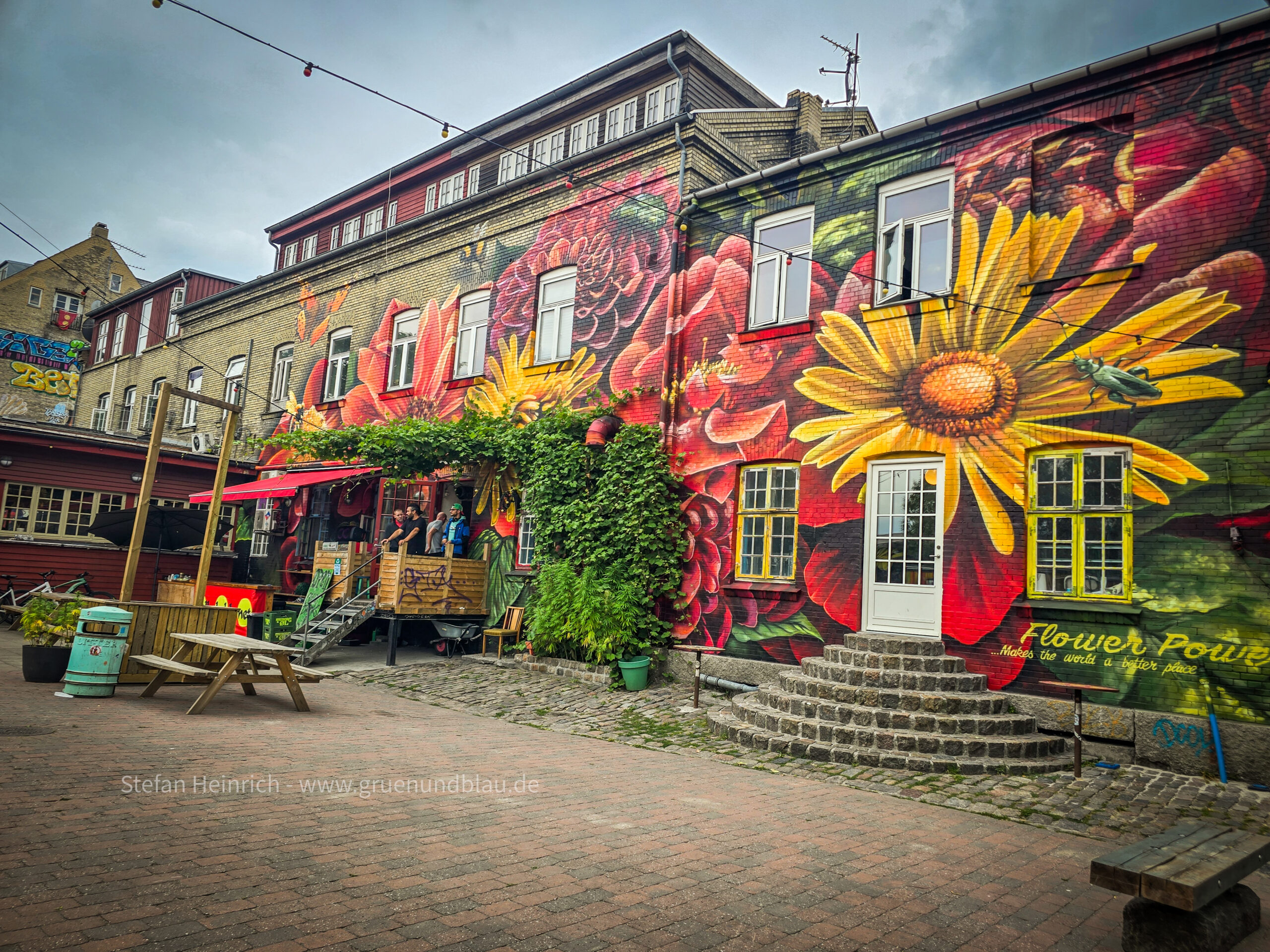
From Magical Beings to Anarchy: The Fascinating History of the Freetown Christiania Anyone traveling through Denmark as a backpacker or with a campervan is usually looking for two things in Copenhagen: impressive history and unique adventures. Scarcely any place on earth combines both as spectacularly as the world-famous Freetown Christiania. Today, the area is a massive tourist magnet full of colorful graffiti, cozy pubs, art galleries, and alternative stalls. But the roots of this autonomous neighborhood reach deep into the past – from ancient Viking legends and dark fortress ramparts to one of the boldest squatter movements in modern European history. The Magic of the Old Ramparts: The Legend of the Elverfolk Long before the first hippies raised their colorful flags, the site of Christiania was a heavily fortified military rampart in the 17th century. King Christian IV had the star-shaped moats and ramparts (voldene) built to protect Copenhagen from hostile fleets. However, ancient Scandinavian folklore tells of entirely different inhabitants residing on these green earthworks. According to legend, the marshy ground had been home since time immemorial to the Elverfolk – a mysterious people of elves, nature spirits, and trolls. In the evenings, Copenhageners whispered eerie tales to one another in the taverns: Anyone staggering drunk or careless across the dark ramparts of Christianshavn at night during a full moon risked being enchanted by the beautiful elf maidens. With ethereal music and mystical dances, these creatures lured lost souls deep beneath the roots of the ancient willow trees, where they remained trapped forever in an underworld. When the Danish military built barracks and armories on the ramparts in the 19th and 20th centuries, the elves withdrew deep into hiding. They waited patiently until the soldiers vacated the area. 1971: The Uprising of the Dreamers and the Birth of the Freetown In the mid-20th century, the military site lost its strategic importance. The barracks fell into disrepair, fences rusted away, and the vast area lay dormant in the middle of the capital. Finally, in September 1971, the unthinkable happened. Driven by a housing shortage, rebellion against the establishment, and a desire for a more peaceful society, local residents and young people cut through the wire fences. They occupied the abandoned military grounds. In an alternative newspaper, journalist Jacob Ludvigsen officially proclaimed the Freetown Christiania. His vision was bold: to build a self-governing society where every individual could develop freely, untouched by tax pressures, state power, and the constraints of modern consumer culture. The old barracks were converted into residences, and bakeries, building cooperatives, and their own schools were established. Within just a few years, a thriving, green oasis emerged right in the heart of Copenhagen from the cold military site. The ancient elves – so the story was told with a smile – returned from their underground burrows and henceforth danced peacefully around the campfires with the hippies. Decades of Struggle and the Infamous Pusher Street Understandably, the Danish government was less than thrilled by the experiment. For decades, the history of Christiania was shaped by political debates, police raids, and threats of eviction. But the Christianites stood firm, organized themselves in community meetings, and repeatedly managed to negotiate agreements with the state. Pusher Street became world-famous – and at the same time highly controversial. Here, cannabis was traded openly for decades. However, what originally began as part of a drug-tolerant culture led over the years to conflicts with organized crime, which is why in 2024 the residents finally decided themselves to tear down the street’s infamous wooden stalls for good to protect the original, peaceful spirit of the community. Christiania Today: A Colorful Paradise for Vanlife and Backpackers Anyone visiting Christiania today on a trip through Denmark enters a completely different world. Above the entrance gate, the famous sign still greets visitors: “You are now leaving the EU.” Today, Christiania has evolved into a vibrant, colorful cultural center and ranks among the absolute highlights of any vanlife or backpacker trip to Copenhagen: Creative Architecture: Stroll along the banks of the old fortress moats and admire the fantastic, self-built wooden houses that perch like fairytale huts among the trees. Colorful Shops and Art: Everywhere you’ll find small ateliers, art galleries, handicrafts, and the famous Christiania bikes (the three-wheeled cargo bikes that were invented right here!). Culinary Delights and Pubs: Enjoy vegan street food, drink a locally brewed beer in iconic pubs like Nemoland, or listen to open-air live music. Christiania is a fascinating monument to modern contemporary history. A place where the myths of ancient elves meet the dream of freedom – and one you definitely shouldn’t miss on your next stop in Copenhagen!
From Spittoon to Landmark: The Wild Drama Surrounding Copenhagen’s Dragon Fountain
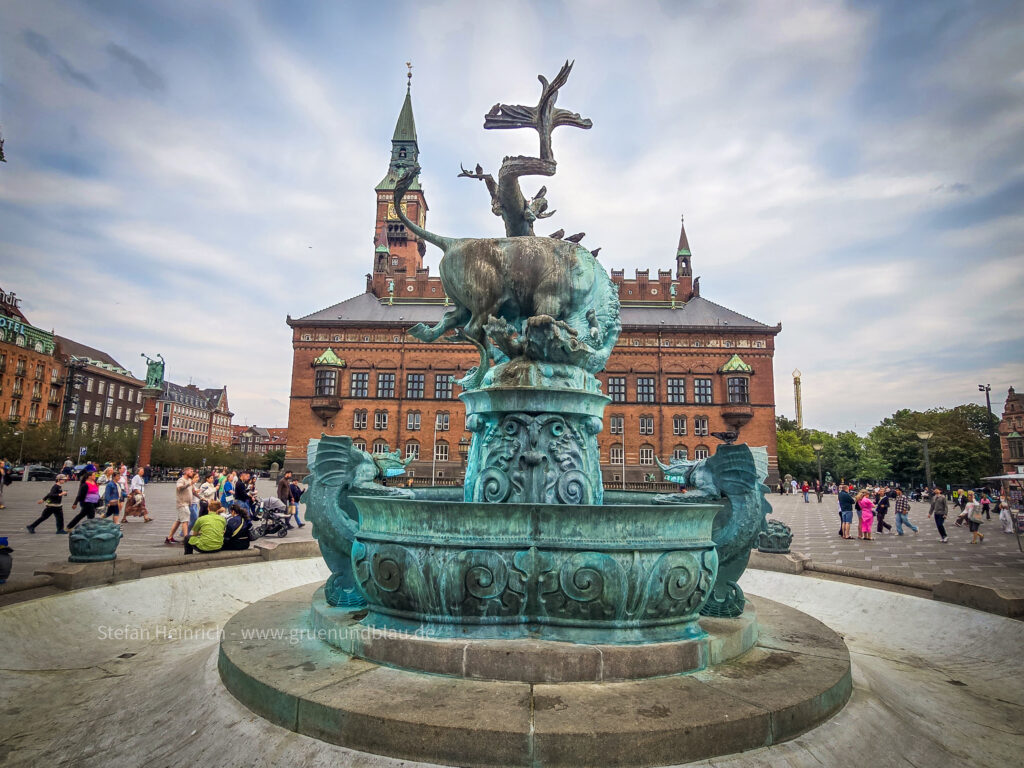
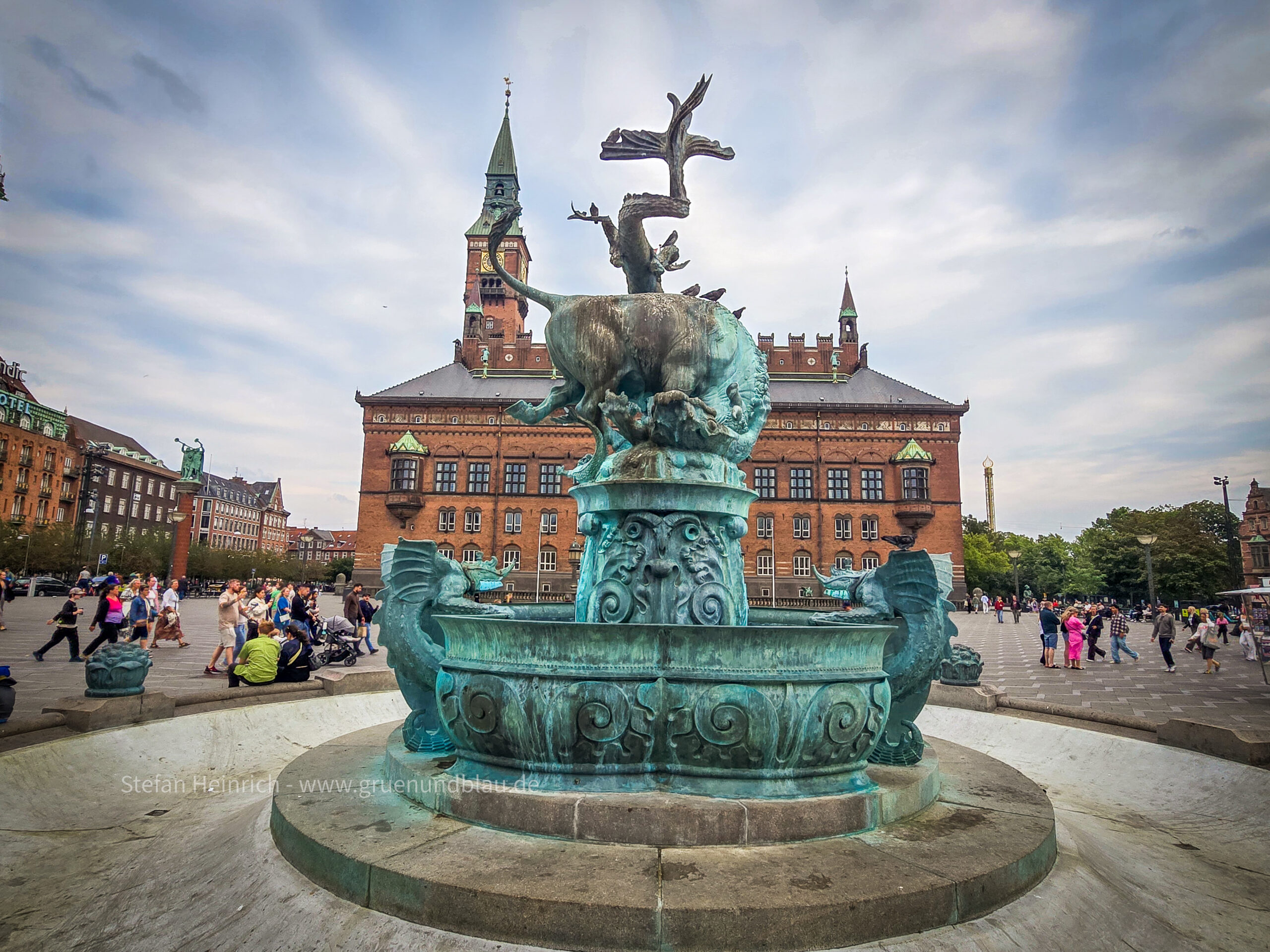
From Spittoon to Landmark: The Wild Drama Surrounding Copenhagen’s Dragon Fountain Anyone standing on Copenhagen’s City Hall Square (Rådhuspladsen) on their journey through Denmark as a backpacker or campervan traveler simply can’t miss it: the Dragon Fountain (Dragespringvandet). Today, passersby marvel at the massive bronze ensemble in the center, where a muscular bull and a furious dragon fight an epic battle of life and death. But the actual legend of this fountain isn’t just about mythical beasts—it’s about one of the most amusing construction mishaps in Danish history: an odyssey of financial trouble, mocking citizens, and a fountain that refused to spout water for decades! The Star Architects’ Gigantic Plan The time is the late 19th century. Copenhagen was building a grand new City Hall, and as befitted a proper ceremonial square, a monumental fountain was required. In 1889, star artists Joakim Skovgaard and Thorvald Bindesbøll submitted a design meant to outshine everything that came before it: a huge bronze sculpture featuring a powerful Norse bull wrestling down a fiery dragon monster, surrounded by smaller dragons spouting water from their jaws. Pure symbolism! Order versus chaos! Natural force versus demons! The city council was thrilled, the contracts were signed, and the people of Copenhagen rubbed their hands in anticipation. What could possibly go wrong? Gaffe Alert: pretty much everything! The Birth of the “Spittoon of Copenhagen” When the fountain was officially inaugurated in 1904, the citizens couldn’t believe their eyes. Where was the promised bull? Where was the gigantic dragon? Nowhere! The city fathers had simply run out of money. Because the bronze figures were astronomically expensive, they merely placed the bare stone fountain basin on the square. In the middle gaped a yawning hole, out of which a pitiful trickle of water chugged every now and then. The people of Copenhagen—famous for their razor-sharp, bone-dry humor—didn’t hesitate. Instead of admiring the half-finished artwork, they immediately gave the structure a new, unforgiving nickname: “The Spittoon” (Spytbakken). For twenty whole years, the City Hall fountain was the laughingstock of the capital. Local newspapers printed caricatures, and anyone misbehaving in the Old Town pubs was told, “Why don’t you go to City Hall Square and spit into the spittoon!” The Dragon Forced to Move As if the mocking drama wasn’t embarrassing enough, in 1908 the city suddenly decided that the half-finished fountain was in the way. It was obstructing traffic! So the multi-ton “Spittoon” was promptly dismantled and rebuilt a few meters away. The fountain was no longer just incomplete and ridiculed—it was now wandering across the square like a disoriented migratory bird. The poor dragon on the design blueprints seemed cursed. Citizens could only shake their heads, wondering if the bull would ever make it out of the foundry. 1923: The Big Happy Ending (with a Slight Muscle Ache) Not until 1923—a whopping 34 years after the initial designs!—had the city of Copenhagen finally scraped together enough kroner. The gigantic bronze ensemble was cast, hauled to City Hall Square on trucks, and ceremoniously hoisted into the center of the basin. Suddenly, the laughter fell silent. The bull snorted bronze steam, the dragon clawed into the stone, and the little dragons around the rim finally spouted proper fountains of water! The people of Copenhagen grudgingly admitted: “Alright, it actually looks pretty decent.” “The Spittoon” became history overnight, and the Dragon Fountain rose to become a proud landmark. Your Takeaway for Your Copenhagen Trip When you pass by Copenhagen’s City Hall Square as a backpacker or with your campervan on your next trip through Denmark, pause for a moment at the Dragon Fountain. Take a look at the bull’s massive muscles, admire the dragon’s teeth, and remember: good things sometimes take 34 years, a couple of relocations, and a lot of mockery to become a true masterpiece!